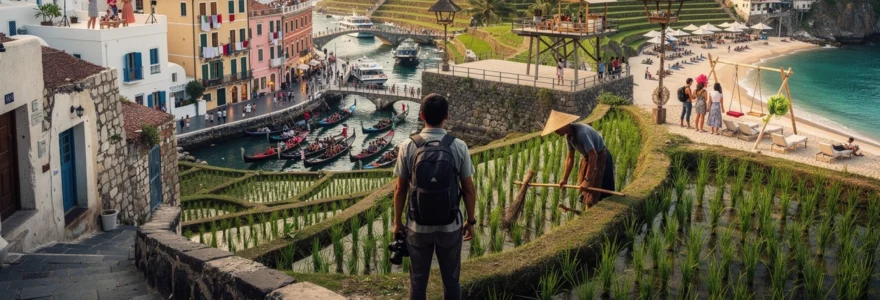
The modern traveller faces an intriguing paradox: seeking authentic experiences in destinations increasingly transformed by tourism itself. This pursuit of “real” culture, genuine local traditions, and untouched heritage sites has become both the driving force behind contemporary travel and the very mechanism that threatens to erode what tourists seek most. As millions of visitors descend upon once-remote locations, the delicate balance between preserving authenticity and meeting tourist expectations creates complex challenges for destinations worldwide.
The tension between authenticity and comfort has never been more pronounced. Recent research reveals that tourists often want desirable authenticity—experiences that feel genuine while still providing modern conveniences and safety standards. This phenomenon reflects broader human psychology, where the pursuit of authentic cultural experiences represents a higher-order need, yet travellers still require their basic comfort and security needs to be met first.
Tourism’s transformation of cultural landscapes and heritage sites
The impact of mass tourism on authentic cultural landscapes extends far beyond simple overcrowding. Destinations worldwide grapple with fundamental changes to their built environments, social structures, and traditional practices as they adapt to accommodate millions of visitors annually. This transformation often occurs gradually, with subtle modifications accumulating over time until the original character becomes nearly unrecognisable.
Santorini’s architecture metamorphosis: from traditional cycladic to Instagram-Optimised facades
Santorini exemplifies how tourism pressures can fundamentally alter architectural authenticity. The island’s traditional Cycladic architecture, characterised by functional white-washed buildings with blue accents, evolved over centuries to suit local climate and materials. However, the demands of contemporary tourism have transformed many structures into Instagram-optimised versions of themselves, prioritising photogenic appeal over historical accuracy.
Property owners increasingly modify traditional buildings to create more dramatic viewpoints, add unnecessary decorative elements, and paint structures in artificially vibrant colours that photograph well but deviate from authentic local practices. These modifications, while seemingly minor, gradually erode the genuine architectural heritage that originally attracted visitors to the island.
Venice’s overtourism impact on authentic venetian residential communities
Venice presents perhaps the most striking example of how tourism can hollow out authentic local communities. The city’s historic centre has experienced a dramatic population decline, with residents fleeing rising costs and tourism-related disruptions. Traditional neighbourhood shops, bakeries, and services have been replaced by tourist-oriented businesses, creating a theme park-like atmosphere rather than a living, breathing city.
The phenomenon of residential displacement has reached critical levels, with local authorities implementing measures to limit short-term rentals and preserve housing for residents. However, the economic incentives of tourism often outweigh preservation efforts, leading to continued erosion of authentic Venetian daily life.
Machu picchu’s archaeological integrity versus tourist infrastructure development
Peru’s iconic Machu Picchu demonstrates the challenging balance between archaeological preservation and tourist accessibility. The site’s UNESCO World Heritage status requires maintaining strict conservation standards, yet accommodating over one million annual visitors necessitates significant infrastructure development that can compromise the site’s integrity.
Recent developments include controversial cable car proposals, pathway modifications, and visitor facility construction that, while improving tourist experience, raise concerns about long-term preservation. The tension between protecting the site’s authentic archaeological value and meeting modern tourism demands continues to generate heated debates among conservationists, local communities, and tourism operators.
Bali’s rice terrace commodification and traditional subak irrigation system preservation
Bali’s ancient rice terraces represent both successful cultural preservation and concerning commodification trends. The traditional subak irrigation system, recognised by UNESCO for its sustainable agricultural practices, faces pressure from tourism development and changing economic priorities among local farmers.
Many rice farmers now earn more from tourist visits and photography fees than from actual rice cultivation, leading to reduced agricultural activity and increased focus on maintaining visually appealing terraces rather than productive ones. This shift challenges the authentic agricultural purpose of these landscapes while providing economic benefits to local communities through tourism revenue.
Digital media’s role in manufacturing Tourist-Centric authentic experiences
Social media platforms have fundamentally altered how destinations present themselves and how tourists
discover and interpret “authentic” places. Carefully curated images, viral trends, and algorithm-driven recommendations now shape not only where we go, but what we expect to find when we arrive. In many cases, digital media does not simply document reality; it actively manufactures new versions of it that cater to tourist desires more than to local life.
Instagram geotagging effects on remote destination authenticity perception
Instagram geotagging has turned previously obscure locations into overnight sensations. A single viral photo pinned to a remote waterfall, rice field, or cliffside viewpoint can trigger an influx of visitors who arrive with a very specific image of what “authentic” should look like. Instead of experiencing a complex, living culture, travellers often seek to recreate the exact shot they saw online, transforming authentic places into backdrops for social validation.
This process can lead to what some researchers call “copy-paste authenticity”, where destinations around the world begin to look and feel strangely similar because they are optimised for the same type of visual content. Local businesses, responding to this demand, install swings, nests, props, and branded viewpoints designed to match popular aesthetics rather than reflect local traditions. You might feel like you are discovering a secret spot, but in reality you are stepping into a carefully staged scene tailored for the camera.
Tiktok travel trends creating artificial cultural narratives in tulum and positano
TikTok’s short-form, highly shareable content accelerates these dynamics by compressing complex destinations into 15-second narratives. In places like Tulum and Positano, TikTok travel trends often privilege a narrow slice of local reality: beach clubs, boho-chic cafés, luxury hotels, and sunset boat rides. These clips can create powerful yet incomplete cultural narratives that overlook everyday life, local challenges, and long-standing traditions.
Over time, these viral narratives start to feed back into the destination itself. Businesses adapt décor, menus, and even music choices to match the “TikTok aesthetic” that draws international visitors. In effect, the platform becomes a scriptwriter, and local communities are pressured to play supporting roles in a story that was never fully theirs. When you arrive expecting the dreamy Tulum or sun-drenched Positano you saw on your phone, how much room is left for unscripted, genuinely local encounters?
Google reviews and TripAdvisor’s influence on local business authenticity standards
While social media shapes visuals, platforms like Google Reviews and TripAdvisor influence how businesses define and perform authenticity. Star ratings and keyword-heavy reviews reward certain interpretations of “authentic food”, “authentic neighbourhoods”, or “authentic homestays”, often based on visitor expectations rather than local norms. Over time, hotel owners and restaurateurs learn to align their offerings with what is most likely to generate positive reviews.
This can produce a subtle standardisation effect. Menus are tweaked to be “local but not too local”, spice levels are toned down, and interiors adopt a rustic-chic look that feels “traditional” to international travellers, even if it bears little resemblance to how local residents actually live. Authenticity becomes something to be managed and optimised, much like SEO for search engines. The risk is that, instead of protecting cultural diversity, review platforms encourage businesses to converge on a global template of what “authentic” should look and taste like.
Youtube travel vloggers’ impact on traditional hospitality practices in nepal’s annapurna circuit
On longer-form platforms like YouTube, travel vloggers have become influential mediators between remote communities and global audiences. In Nepal’s Annapurna Circuit, for example, trekking lodges and family-run teahouses increasingly adapt their hospitality practices after appearing in popular vlogs. Viewers arrive expecting certain foods, room setups, charging facilities, and even conversation styles they have seen online.
To meet these expectations, hosts may introduce Western-style breakfasts, install stronger Wi-Fi, or adjust pricing and packaging to match what vloggers have promoted as “must-try experiences”. While these changes can improve income and comfort, they can also nudge traditional hospitality away from local rhythms and customs. The tea house becomes less a community hub and more a standardised overnight product. As a traveller, your challenge is to recognise when your own expectations—formed on YouTube—might be pushing places toward a version of authenticity that feels more cinematic than lived.
Economic commodification of traditional practices and local customs
As demand for authentic experiences grows, traditional practices and local customs are increasingly repackaged as marketable products. Cultural performances, religious rituals, and artisanal crafts become scheduled events with ticket prices, opening hours, and marketing campaigns. On one hand, this economic commodification can provide vital income streams and incentivise the preservation of local heritage. On the other, it risks flattening complex traditions into predictable shows for tourist consumption.
Think of a centuries-old dance once performed only on special occasions, now staged nightly at a resort to entertain guests. The choreography, costumes, and music may be technically accurate, but the meaning of the performance shifts when it is repeated on demand. Local participants can experience “performance fatigue”, feeling that their identity is being constantly displayed rather than lived. For visitors, the experience may still feel authentic, yet it is shaped by commercial pressures that subtly alter what is being presented and why.
Handicrafts follow a similar trajectory. Artisans adapt materials, colours, and motifs to meet tourist tastes, sometimes shifting from laborious, symbolic techniques to faster, cheaper production methods. While this can make crafts more accessible and profitable, it may erode the very skills and cultural stories that made them unique. The key question becomes: at what point does a living tradition, reworked for global markets, lose connection with the community that created it?
Sustainable tourism models preserving cultural authenticity
In response to these pressures, many destinations and communities are experimenting with sustainable tourism models that prioritise cultural authenticity alongside economic viability. Community-based tourism initiatives, cultural cooperatives, and locally led heritage projects aim to give residents greater control over how their culture is shared and represented. Instead of passively adapting to outside expectations, communities actively define what aspects of their traditions they wish to showcase and under what conditions.
For travellers who genuinely care about authentic travel experiences, supporting these models can be a powerful way to align your choices with your values. This might mean choosing homestays run by local families rather than global chains, booking tours with community co-ops, or visiting cultural centres managed by indigenous organisations. Such decisions may not always deliver the most polished or perfectly comfortable stay, but they often offer deeper insight into local realities and a more balanced exchange between guest and host.
Destinations themselves are also embracing tools such as visitor caps, zoning regulations, and heritage protection laws to slow the pace of transformation. When implemented transparently and in consultation with local communities, these measures can help maintain the conditions that support authentic daily life: residential housing, local markets, traditional public spaces, and community events that are not purely designed for tourists. As you plan your travels, you can look for places that communicate clear sustainability goals and are honest about both the benefits and limits of tourism.
Technology’s dual impact on authentic travel experiences
Technology sits at the heart of this evolving landscape, acting as both a threat and a tool for cultural authenticity. On the one hand, booking platforms, navigation apps, and social media encourage convenience and instant gratification, pushing destinations to deliver seamless, predictable experiences. On the other hand, digital archives, virtual tours, and storytelling platforms can help document endangered traditions, amplify local voices, and connect responsible travellers with initiatives that prioritise cultural integrity.
How we use technology as travellers ultimately shapes which side of this dual impact prevails. You might rely on maps and reviews to find a restaurant, but still leave room to ask a local for a recommendation or wander into a neighbourhood market that doesn’t feature in any listicle. You may follow a vlogger’s itinerary through the Annapurna Circuit, yet choose to put the camera away during meaningful conversations with your hosts. In this sense, technology is less a determinant of authenticity and more a lens—one you can choose to adjust or even put down.
Authentic travel in a world shaped by tourism is no longer about discovering places untouched by global influence; such destinations are vanishingly rare. Instead, it is about how we navigate already interconnected, media-saturated environments with awareness and intention. By recognising the forces that manufacture tourist-centric authenticity—and by supporting people and projects that keep cultural agency in local hands—we can move closer to travel that feels both honest and enriching, for visitors and host communities alike.