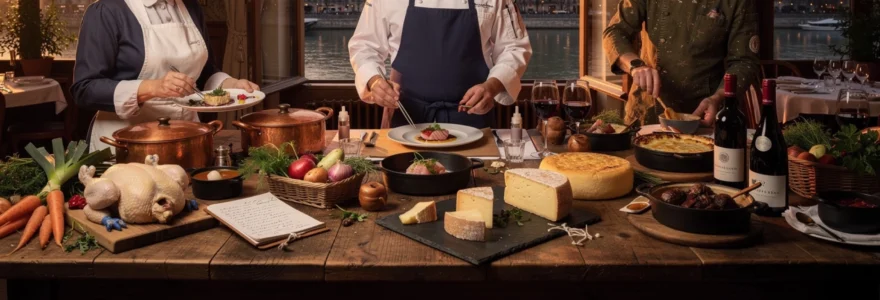
Lyon stands as an undisputed culinary powerhouse, earning its prestigious title as France’s gastronomic capital through centuries of culinary excellence and innovation. This remarkable city has cultivated a unique food culture that seamlessly blends traditional techniques with modern gastronomy, creating an extraordinary dining landscape that attracts food enthusiasts from around the globe. The convergence of historical traditions, exceptional terroir, and world-class culinary talent has positioned Lyon at the epicentre of French cuisine, establishing it as a must-visit destination for anyone seeking authentic gastronomic experiences.
What sets Lyon apart from other French culinary centres is its deep-rooted commitment to preserving traditional cooking methods whilst embracing contemporary innovations. The city’s reputation extends far beyond its impressive collection of Michelin-starred establishments, encompassing a comprehensive ecosystem that includes traditional bouchons, bustling food markets, and renowned culinary schools. This multifaceted approach to gastronomy has created an environment where culinary traditions flourish alongside cutting-edge techniques, making Lyon a living laboratory for French cuisine.
Historical foundation of lyon’s culinary heritage through mères lyonnaises tradition
The foundation of Lyon’s gastronomic supremacy can be traced back to the legendary mères lyonnaises, a group of extraordinary women who revolutionised French cuisine during the 18th and 19th centuries. These pioneering female chefs established the fundamental cooking techniques and recipes that continue to define Lyonnaise cuisine today. Their influence extended far beyond the kitchen, as they created a unique culinary culture that emphasised quality ingredients, meticulous preparation, and generous hospitality.
The mères lyonnaises emerged from humble beginnings, often starting as domestic cooks in wealthy bourgeois households before establishing their own restaurants. Their approach to cooking was characterised by an intimate understanding of local ingredients and an unwavering commitment to flavour development. These remarkable women transformed simple, regional ingredients into sophisticated dishes that would eventually become the cornerstone of French gastronomy.
Eugénie brazier’s revolutionary Two-Michelin-Star achievement at la mère brazier
Eugénie Brazier stands as one of the most influential figures in Lyon’s culinary history, becoming the first woman to earn two Michelin stars simultaneously for her two establishments. Her restaurant, La Mère Brazier, became a pilgrimage site for food lovers and established many of the cooking techniques that are still employed in contemporary Lyonnaise cuisine. Brazier’s approach to cooking emphasised the importance of sourcing exceptional ingredients and treating them with respect and skill.
Her signature dishes, including the famous poularde de Bresse truffée and artichaut et foie gras, demonstrated her mastery of traditional French cooking techniques whilst showcasing the exceptional quality of regional produce. Brazier’s influence extended beyond her own kitchen, as she mentored numerous chefs who would go on to establish their own successful restaurants throughout France.
Marie filloux’s establishment of traditional lyonnaise cooking techniques at café du commerce
Marie Filloux played a crucial role in codifying traditional Lyonnaise cooking techniques at her establishment, Café du Commerce. Her methodical approach to recipe development and ingredient preparation established many of the standards that continue to define authentic Lyonnaise cuisine today. Filloux was particularly renowned for her expertise in preparing traditional dishes such as quenelles de brochet and coq au vin.
Her contributions to Lyon’s culinary heritage extended beyond individual recipes, as she developed comprehensive cooking methodologies that emphasised precision, timing, and flavour balance. Filloux’s techniques were documented and passed down through generations of chefs, ensuring that the authentic flavours of traditional Lyonnaise cuisine would be preserved for future generations.
Mère guy’s innovation in silk worker cuisine during industrial revolution
Mère Guy revolutionised working-class cuisine in Lyon during the industrial revolution, creating hearty, nutritious meals that catered to the city’s growing population of silk workers. Her innovations in affordable, flavourful cooking helped establish the democratic nature of Lyonnaise cuisine, proving that exceptional food could be accessible to people from all social
backgrounds. By elevating everyday ingredients into emblematic dishes, she helped forge the link between Lyon’s gastronomic reputation and its industrious past. The convivial spirit of her table, where workers sat side by side with merchants, laid the groundwork for the inclusive, community-focused dining culture that characterises Lyonnaise cuisine today.
Mère Guy also played a pivotal role in popularising river fish and offal, making full use of the ingredients available along the Rhône and Saône. Her slow-cooked stews, generous portions and simple yet deeply flavoured recipes demonstrated that culinary excellence did not require luxury products, only technique and care. In many ways, her approach anticipated modern notions of sustainable cooking and nose-to-tail gastronomy, concepts that now define many contemporary Lyon restaurants. The legacy of her humble, robust dishes continues to influence how chefs in Lyon think about comfort food and regional identity.
Evolution from tavern culture to professional bouchon restaurant classification
The transformation from informal taverns to the now-iconic bouchons lyonnais is central to understanding why Lyon is seen as France’s gastronomic capital. Originally, taverns around the Presqu’île and Croix-Rousse quarters provided simple meals and wine to silk workers and traders. Over time, these establishments began to specialise in hearty, traditional Lyonnaise recipes, offering dishes such as tablier de sapeur, andouillette, and salade lyonnaise in a convivial, often boisterous setting.
As Lyon’s culinary prestige grew, so too did the need to protect the authenticity of the bouchon experience. In the late 20th century, local restaurateurs and the Chamber of Commerce introduced an official classification to distinguish genuine bouchons from tourist-oriented imitations. Today, recognised bouchons adhere to strict criteria concerning menu content, atmosphere, wine service and pricing, ensuring that visitors encounter an authentic slice of Lyon’s gastronomic heritage. This structured evolution from tavern culture to a protected restaurant category has helped preserve traditional recipes while giving them a recognised place within the wider French culinary landscape.
Geographical terroir advantages defining lyon’s gastronomic supremacy
Lyon’s geographical position gives it unparalleled access to some of France’s richest agricultural territories, reinforcing its status as a gastronomic capital. Situated at the crossroads of the Rhône and Saône rivers, the city sits within reach of Alpine pastures, Beaujolais vineyards, Bresse poultry farms, and Mediterranean markets. This convergence of terroirs creates a natural pantry that few other cities can rival.
For chefs and home cooks alike, the proximity to diverse, high-quality produce is akin to having a permanent, open-air larder at their doorstep. Seasonal vegetables from the Rhône valley, freshwater fish, mountain cheeses and world-class wines all find their way onto Lyonnaise tables. It is this extraordinary density and diversity of ingredients that allows traditional Lyonnaise cuisine and contemporary fine dining to flourish side by side. When we speak of Lyon’s culinary supremacy, we are also speaking of the terroir network that sustains it.
Rhône-alpes regional produce integration in contemporary lyonnaise cuisine
One of the defining features of modern Lyonnaise gastronomy is the seamless integration of Rhône-Alpes regional produce into both traditional and innovative dishes. Chefs actively seek out small-scale producers, forging direct relationships with farmers, cheesemakers and market gardeners. At iconic markets such as Les Halles de Lyon Paul Bocuse, you can see this regional abundance on display, from wild mushrooms and heirloom vegetables to charcuterie and freshwater fish.
Contemporary restaurants often highlight the origin of each ingredient on their menus, turning the notion of cuisine de terroir into a central selling point for gastronomic tourism in Lyon. Dishes might pair Alpine herbs with Rhône valley lamb, or feature trout from nearby rivers accompanied by vegetables grown just outside the city. By foregrounding the provenance of each product, chefs reinforce the idea that Lyon’s gastronomic reputation is inseparable from the broader Rhône-Alpes ecosystem. This close alignment with local produce also supports sustainable dining practices and reduces the environmental footprint of the city’s restaurant industry.
Bresse poultry AOC designation impact on local restaurant menus
Bresse poultry, the only chicken in the world with a coveted AOC (Appellation d’Origine Contrôlée) designation, occupies a privileged place in Lyonnaise gastronomy. Raised under strict conditions in the neighbouring Bresse region, these birds are renowned for their delicate flesh, fine marbling and distinctive flavour. For many chefs in Lyon, Bresse chicken is the gold standard for poultry, particularly in classic dishes such as poularde demi-deuil and volaille de Bresse à la crème.
The AOC designation not only guarantees exceptional quality but also provides a powerful marketing tool for restaurants aiming to attract discerning food travellers. Menus frequently highlight Bresse poultry by name, often specifying the producer or farm, which reassures diners seeking an authentic, terroir-driven experience. The higher cost of Bresse chicken is offset by its prestige and the willingness of visitors to pay for a taste of this emblematic ingredient. In this way, the AOC label directly influences menu design, pricing strategies, and the overall perception of Lyon as a destination for top-tier gastronomy.
Beaujolais wine appellation pairing traditions with coq au vin preparations
Just north of Lyon lies the Beaujolais region, whose light, fruit-forward wines play a central role in traditional Lyonnaise food and wine pairings. Historically, Beaujolais has been the everyday wine of Lyon, served in earthenware jugs in bouchons and brasseries. Its bright acidity and red fruit notes make it an ideal companion for rich, slow-cooked dishes such as coq au vin, sausages in wine sauce, and various charcuterie specialities.
In classic Lyonnaise preparations of coq au vin, Beaujolais is often used both for cooking and pairing, creating a harmonious bridge between the sauce in the dish and the wine in your glass. This tradition underscores a broader philosophy in Lyon: wine is not an afterthought but an integral ingredient in the culinary experience. As Beaujolais has diversified into more terroir-focused crus, Lyon’s sommeliers have embraced these appellations, offering curated pairings that highlight the interplay between local wines and heritage recipes. For gastronomic tourists, exploring these pairings provides a tangible way to understand how Lyon’s reputation is rooted in the synergy between vineyard and kitchen.
Dauphiné cheese varieties incorporation in traditional gratins and fondues
To the southeast of Lyon, the historic Dauphiné region contributes an array of cheeses that feature prominently in many comforting, oven-baked specialities. Varieties such as Saint-Marcellin, Saint-Félicien and Bleu du Vercors-Sassenage bring creamy textures and nuanced flavours to gratins, fondues and sauces. These cheeses embody the Alpine-meets-continental character of Rhône-Alpes terroir, offering both richness and a subtle, lactic freshness.
In Lyon’s bistros and family kitchens, potatoes au gratin enriched with Dauphiné cheeses have become staples of cold-weather dining. Modern chefs often reinterpret these dishes, using individual casseroles or deconstructed presentations, but the core elements—cheese, cream, and slow baking—remain unchanged. When you taste a cheese-laden gratin in Lyon, you are in effect sampling the high pastures and dairy traditions of the broader region. This reliance on Dauphiné cheese underscores how Lyon’s gastronomic identity is built not just on meat and offal, but also on a deep appreciation of dairy craftsmanship.
Strategic position between mediterranean and continental culinary influences
Lyon’s strategic location between northern Europe and the Mediterranean basin has shaped its cuisine into a unique hybrid of influences. To the south, Provence and the Mediterranean offer olive oil, tomatoes, aromatic herbs and seafood; to the north and east, Burgundy and the Alps contribute butter, cream, game and robust wines. Lyonnaise cooking orchestrates these elements like a conductor balancing different sections of an orchestra, creating dishes that are simultaneously hearty and refined.
This crossroads position is particularly evident in the way Lyon uses fats and aromatics. You will encounter dishes cooked in butter and cream alongside recipes that rely on olive oil and garlic, often within the same menu. Spices and seasonings also reflect this dual heritage, with Mediterranean herbs complementing traditionally northern techniques such as braising and roasting. For visitors seeking to understand why Lyon is often described as the “belly of France,” this blending of Mediterranean lightness and continental richness offers a compelling explanation.
Contemporary michelin-starred restaurant ecosystem in lyon’s gastronomic landscape
While Lyon’s culinary reputation is rooted in tradition, its current status as France’s gastronomic capital is reinforced by a dynamic network of Michelin-starred restaurants. The city and its surroundings consistently host dozens of stars, reflecting a diversity of styles ranging from classic French haute cuisine to bold, globally inspired tasting menus. This thriving Michelin ecosystem works in tandem with bouchons and brasseries, demonstrating that excellence exists at every level of the dining spectrum.
For food travellers, the concentration of acclaimed restaurants within a relatively compact urban area is a major attraction. You can enjoy a rustic lunch in a historic bouchon and, the same evening, experience a multi-course tasting menu in a cutting-edge dining room. This coexistence of high gastronomy and everyday comfort food is a key reason why Lyon remains at the forefront of culinary tourism in France. It also creates a fertile environment for young chefs, who can train in prestigious kitchens and then open their own establishments nearby.
Paul bocuse’s L’Auberge du pont de collonges three-star legacy maintenance
No discussion of Lyon’s Michelin-starred scene would be complete without mentioning Paul Bocuse and his legendary restaurant, L’Auberge du Pont de Collonges. Holding three Michelin stars for over five decades, Bocuse’s establishment became a global symbol of French haute cuisine and a cornerstone of Lyon’s gastronomic identity. His commitment to classic techniques, impeccable service and seasonal ingredients inspired generations of chefs worldwide.
Even after Bocuse’s passing in 2018, the restaurant has worked to maintain his legacy while cautiously adapting to contemporary expectations. Signature dishes such as the soupe aux truffes noires VGE and loup en croûte continue to attract diners seeking a taste of culinary history. At the same time, the team has introduced subtle updates in presentation and menu structure, ensuring the restaurant remains relevant in a competitive fine-dining market. This careful stewardship of Bocuse’s heritage illustrates how Lyon balances reverence for tradition with the need for evolution in its high-end restaurant sector.
Mathieu viannay’s la mère brazier modern interpretation techniques
La Mère Brazier, once the domain of Eugénie Brazier, has been revitalised under the direction of chef Mathieu Viannay, who holds three Michelin stars of his own. Viannay approaches the restaurant as both a guardian of history and a creative innovator, reinterpreting classic recipes through a contemporary lens. Techniques such as low-temperature cooking, refined plating and precise seasoning allow him to highlight Brazier’s original ideas while adapting them to modern palates.
For example, traditional dishes like poularde de Bresse or artichokes with foie gras may appear on the menu, but with lighter sauces, more focused textures and an emphasis on clarity of flavour. This dialogue between past and present turns a meal at La Mère Brazier into a living history lesson in Lyonnaise gastronomy. Diners who are curious about how heritage cuisine can evolve without losing its soul will find in Viannay’s approach a compelling model. It shows that Lyon’s gastronomic capital status depends as much on reinterpretation as on preservation.
Christian têtedoie’s innovative molecular gastronomy applications
Perched on the hillside of Fourvière, Christian Têtedoie’s restaurant offers panoramic views of Lyon along with a menu that embraces innovation, including elements of molecular gastronomy. Rather than using avant-garde techniques as mere spectacle, Têtedoie applies them judiciously to enhance texture, aroma and presentation. Siphons, gels, foams and controlled-temperature cooking are employed to bring out the essence of ingredients while surprising the diner.
In a city known for its hearty, sometimes rustic cuisine, Têtedoie’s approach provides a counterpoint that broadens Lyon’s culinary identity. Guests might encounter a deconstructed take on a traditional Lyonnaise dish, where familiar flavours appear in unexpected forms—much like hearing a well-known melody played on different instruments. By integrating modern culinary science into a framework that still respects regional products, Têtedoie helps position Lyon not only as a guardian of tradition but also as a hub of gastronomic innovation.
Takao takano’s Franco-Japanese fusion at restaurant takao takano
Restaurant Takao Takano exemplifies the increasingly international character of Lyon’s gastronomic scene. Trained in French techniques yet deeply rooted in Japanese culinary philosophy, chef Takano crafts menus that blend precision, restraint and umami-rich flavours with French products and sauces. His two-Michelin-starred restaurant demonstrates how foreign talent can reinterpret Lyonnaise terroir in fresh and surprising ways.
Dishes might pair Bresse poultry with miso-based glazes or feature local vegetables prepared with Japanese knife work and seasoning. The result is a refined, almost poetic cuisine in which each plate feels both familiar and new. For diners, this fusion offers a tangible answer to the question: how can Lyon remain France’s gastronomic capital in a globalised world? By welcoming diverse culinary perspectives while maintaining a strong link to local ingredients, restaurants like Takao Takano ensure that Lyon’s food culture continues to evolve rather than stagnate.
Distinctive lyonnaise culinary techniques and recipe methodologies
Lyonnaise cuisine is not defined solely by its ingredients or iconic dishes; it is equally shaped by specific techniques and methodologies passed down through generations. Many of these methods emerged from the kitchens of the mères lyonnaises and have since been refined in professional culinary schools and Michelin-starred restaurants. Slow braising, gentle poaching, meticulous sauce reduction and precise offal preparation all play crucial roles in creating the depth of flavour for which Lyon is known.
Consider the making of quenelles de brochet, where freshwater pike is transformed into a delicate, cloud-like dumpling through careful emulsification with eggs, flour and sometimes breadcrumbs. The mixture is poached at a controlled temperature to maintain its airy texture, then served with a rich Nantua sauce made from crayfish. Similarly, classic Lyonnaise salads rely on perfect control of vinaigrette balance and bacon fat temperature to coat frisée leaves without wilting them. These techniques may appear simple on the surface, but like a well-rehearsed choreography, they require practice and intuition. For anyone seeking to cook Lyonnaise recipes at home, mastering these foundational methods is the first step toward authenticity.
Economic impact of gastronomic tourism on lyon’s restaurant industry
Gastronomic tourism has become a major economic driver for Lyon, significantly boosting its restaurant industry and related sectors. In recent years, local tourism authorities have reported that a substantial percentage of visitors cite food and wine as primary reasons for choosing Lyon as a destination. This influx of culinary travellers supports not only high-end restaurants but also bouchons, markets, wine bars, and food-focused events such as the Biennale Internationale du Goût.
The ripple effects extend beyond dining rooms. Hotels, transport services, cooking schools and food producers all benefit from the global interest in Lyon’s gastronomic capital reputation. New jobs are created in hospitality, marketing, event management and artisanal food production, helping to diversify the local economy. At the same time, the pressure to maintain high standards encourages restaurants to invest in staff training, product quality and sustainable sourcing. For city planners and business owners alike, gastronomic tourism is both an opportunity and a responsibility: an opportunity to showcase Lyon’s culinary excellence, and a responsibility to preserve the authenticity that attracts visitors in the first place.
Educational culinary infrastructure supporting lyon’s gastronomic status
Behind every thriving gastronomic city lies a strong educational infrastructure, and Lyon is no exception. The region hosts esteemed institutions such as the Institut Paul Bocuse, which offers comprehensive training in culinary arts, pastry, and hospitality management. These schools attract students from around the world, many of whom remain in the area to work in local restaurants, hotels and food-related businesses, thereby sustaining the talent pipeline that Lyon’s restaurant scene depends on.
In addition to formal education, Lyon benefits from a vibrant ecosystem of apprenticeships and mentorships in professional kitchens. Young cooks often start in bouchons or brasseries, learning traditional Lyonnaise techniques before moving on to Michelin-starred establishments where they refine their skills. Workshops, food festivals and collaborations between chefs and producers further contribute to ongoing learning within the community. This multi-layered educational network operates much like an ever-replenishing vineyard: each new generation of chefs absorbs the knowledge of its predecessors while bringing fresh ideas and perspectives. As long as Lyon continues to invest in culinary education at every level, its reputation as France’s gastronomic capital is likely to endure.