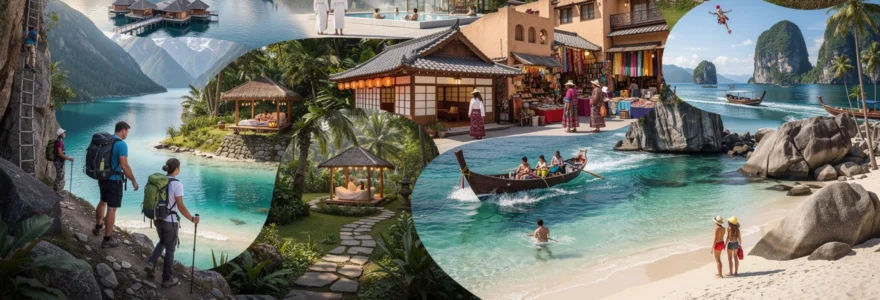
The world offers an extraordinary tapestry of destinations, each catering to different traveler personalities and preferences. From adrenaline-seekers craving mountain peaks and rushing rivers to wellness enthusiasts searching for tranquil sanctuaries, the diversity of global travel experiences has never been more accessible. Understanding which destinations align with your travel style transforms a simple vacation into a transformative journey that resonates with your deepest interests and aspirations.
Today’s travelers are increasingly selective, seeking experiences that genuinely match their lifestyle rather than following generic bucket lists. Whether you’re drawn to cultural immersion in ancient cities, luxury pampering in pristine natural settings, or family adventures that create lasting memories, identifying the right destination requires thoughtful consideration of what truly brings you fulfillment. This guide explores the world’s most compelling destinations categorized by traveler type, offering detailed insights into what makes each location exceptional for its intended audience.
Adventure travel destinations: patagonia, nepal’s annapurna circuit, and new zealand’s south island
Adventure travelers seek destinations that test physical limits while rewarding perseverance with breathtaking natural beauty. These three regions represent the pinnacle of adventure travel, offering experiences that range from technical mountaineering to accessible yet thrilling outdoor activities. Patagonia’s rugged wilderness, stretching across southern Chile and Argentina, presents a landscape of towering granite peaks, ancient glaciers, and turquoise lakes that seem almost otherworldly in their pristine beauty.
Nepal’s Annapurna Circuit remains one of the world’s most revered trekking routes, circling the Annapurna massif through diverse ecosystems ranging from subtropical forests to high-altitude desert landscapes. The journey exposes you to traditional mountain villages where life has changed little over centuries, providing cultural enrichment alongside physical challenge. Meanwhile, New Zealand’s South Island combines adventure accessibility with stunning scenery, making it ideal for travelers who want thrilling experiences without requiring extensive mountaineering expertise.
Trekking the torres del paine W circuit in chilean patagonia
The W Circuit in Torres del Paine National Park represents Patagonia’s most accessible yet spectacular multi-day trek. Spanning approximately 80 kilometers over four to five days, this route showcases the region’s iconic granite towers, the brilliant blue waters of Lago Pehoé, and the massive Grey Glacier. The trail’s moderate difficulty makes it achievable for fit hikers without technical climbing experience, though Patagonian weather demands proper preparation with layered clothing and waterproof gear.
Accommodation options range from established refugios offering dormitory-style sleeping and prepared meals to designated camping areas for those preferring a more immersive wilderness experience. The circuit’s popularity means booking several months in advance is essential, particularly for peak season between December and February. Despite the crowds during these months, the extended daylight hours and relatively stable weather justify the timing for most trekkers.
High-altitude mountaineering routes through the himalayas
The Annapurna Circuit delivers one of the world’s most rewarding high-altitude trekking experiences, ascending through terraced farmland and rhododendron forests before crossing the Thorong La Pass at 5,416 meters. This elevation gain challenges even experienced trekkers, requiring careful acclimatization and physical preparation. The journey typically spans 15 to 20 days, allowing time for your body to adjust to decreasing oxygen levels while you absorb the profound cultural experiences of mountain communities.
Recent infrastructure improvements have made the circuit more accessible, with teahouses providing comfortable overnight accommodation and meals along most of the route. However, these developments haven’t diminished the trek’s essential character—you’ll still experience genuine hospitality in traditional villages, witness Buddhist monasteries clinging to mountainsides, and navigate challenging terrain that demands respect and preparation. The post-monsoon season from October to November offers the clearest mountain views, though spring (March to May) presents spectacular wildflower displays across lower elevations.
Bungee jumping and skydiving hotspots in queenstown
Queenstown has rightfully earned its reputation as the adventure capital of the world, offering an extraordinary concentration of adrenaline-pumping activities against a backdrop of stunning alpine
scenery. From the original Kawarau Bridge bungee—often considered the birthplace of commercial bungee jumping—to the dramatic Nevis Bungy suspended 134 meters above a river gorge, Queenstown caters to all levels of thrill-seeker. For those looking to push their limits further, tandem skydiving over Lake Wakatipu and the Remarkables mountain range delivers unmatched aerial views and a surge of adrenaline. Reputable operators prioritize safety with comprehensive briefings, certified gear, and strict weather assessments, ensuring that your adventure travel experience is both exhilarating and controlled.
Planning ahead is crucial, especially during the Southern Hemisphere summer season from December to March when demand peaks. Booking bungee jumping or skydiving packages several weeks in advance helps you secure preferred time slots and sometimes better pricing. If you’re new to high-adrenaline activities, starting with a lower-height bungee or indoor skydiving simulation can build confidence before attempting more extreme jumps. Remember that weather in alpine environments can change quickly, so maintaining flexibility in your schedule can save you from disappointment if conditions force last-minute rescheduling.
White-water rafting on the futaleufú river
For white-water rafting enthusiasts, Chile’s Futaleufú River is often described as a natural roller coaster carved into the Andes. Renowned for its turquoise waters and technical Class IV and V rapids, the “Futa” attracts experienced paddlers from around the world who are seeking one of the best white-water rafting destinations on the planet. Multi-day expeditions typically combine adrenaline-filled runs through steep canyons with quieter river sections that allow you to appreciate the surrounding old-growth forests and snow-capped peaks. This balance of intensity and serenity makes the Futaleufú ideal for adventure travelers wanting both physical challenge and scenic immersion.
Rafting outfitters along the river usually offer tiered trips, from introductory runs suitable for fit beginners to advanced routes demanding prior rafting experience. High-quality equipment, safety kayakers, and detailed safety briefings are standard, reflecting the industry’s strong focus on risk management in remote Patagonian terrain. Peak rafting season runs from December to March, when water levels are optimal and temperatures are more comfortable, though cold-water gear remains essential. Because the region is relatively isolated, arranging transfers, accommodation, and adventure packages well in advance can streamline logistics and reduce last-minute stress.
Via ferrata climbing experiences in the dolomites
If you’re intrigued by mountaineering but not ready for full technical climbing, via ferrata routes in Italy’s Dolomites offer an ideal middle ground. These “iron paths” blend hiking and protected climbing, using fixed cables, ladders, and bridges to help you traverse dramatic cliff faces and exposed ridgelines. Originally developed during World War I to move troops across rugged terrain, modern via ferrata routes now cater to leisure adventure travel, offering varying difficulty levels from family-friendly itineraries to demanding vertical ascents. The reward for your effort is often a 360-degree panorama of jagged limestone peaks and alpine meadows that few standard hiking trails can match.
Guided via ferrata tours provide harnesses, helmets, and lanyard systems designed specifically for this activity, significantly increasing safety for newcomers. Many routes can be completed in half a day, making them a flexible addition to a broader Dolomites itinerary that might also include mountain biking or hut-to-hut trekking. Late June through September is generally the best time to visit, when most high-altitude routes are free of snow and cable systems are fully accessible. As with any adventure sport, honest self-assessment of your fitness level and comfort with heights will help you choose the most enjoyable and appropriate route.
Luxury wellness retreats: maldives overwater villas, bali’s ubud sanctuaries, and swiss alpine spas
Wellness-focused travel has expanded rapidly in recent years, with the global wellness tourism market projected to surpass $1 trillion in the late 2020s. Travelers are no longer satisfied with standard resort stays; instead, they seek curated experiences that combine relaxation, holistic health, and immersive natural settings. The Maldives, Bali’s Ubud region, and Switzerland’s Alpine spa towns rank among the best luxury wellness destinations for travelers who want to decompress, reset, and return home feeling genuinely renewed. These locations blend world-class hospitality with evidence-based wellness practices, from Ayurvedic therapies to cutting-edge medical spa procedures.
Whether you envision yourself meditating in a Balinese jungle sanctuary, floating above coral reefs in an overwater villa, or soaking in a thermal pool framed by snow-dusted peaks, these wellness retreats cater to diverse preferences. Many properties now offer personalised wellness programmes that include nutrition consultations, movement classes, and stress management coaching alongside spa treatments. The goal is not just short-term indulgence but sustainable lifestyle shifts that you can integrate into everyday life. By choosing the right wellness destination for your personality and needs, you transform your holiday into an investment in long-term health.
Ayurvedic treatment programmes at como shambhala estate
Nestled in the lush hills near Ubud, Como Shambhala Estate is often described as a “retreat for change” rather than a typical resort. Its Ayurvedic treatment programmes draw on millennia-old Indian medical traditions, emphasizing balance among body, mind, and spirit. Guests generally begin with a consultation from an on-site Ayurvedic doctor, who assesses your dosha (body type) and prescribes a tailored plan that may include herbal therapies, specialized massages, yoga sessions, and nutritional adjustments. This personalised approach makes Ayurveda far more than a spa trend; it becomes a structured path toward improved digestion, sleep, and overall vitality.
Daily schedules at Como Shambhala typically weave together guided activities—such as pranayama breathing, hydrotherapy, and nature walks—with ample unstructured time to rest or reflect. Healthy, plant-forward cuisine supports your programme, demonstrating that nourishing food can be both medicinal and enjoyable. For travelers curious about immersive wellness but unsure where to start, a 5–7 day Ayurvedic retreat offers an accessible introduction without feeling overwhelming. As with any intensive wellness experience, it’s wise to consult your healthcare provider beforehand, especially if you have pre-existing conditions or are taking medications that could interact with herbal remedies.
Thalassotherapy sessions at clinique la prairie
In Europe, thalassotherapy—therapeutic use of seawater and marine products—has long been embraced for its restorative benefits, particularly for circulation and skin health. Clinique La Prairie in Switzerland, though best known for its longevity and medical wellness programmes, incorporates marine-based therapies that complement its more advanced treatments. Guests can experience mineral-rich baths, algae body wraps, and hydrotherapy circuits designed to stimulate the lymphatic system and enhance detoxification. For stressed urban travelers, these water-based therapies can feel like hitting a reset button, easing muscular tension while promoting deep relaxation.
One advantage of a medically supervised environment like Clinique La Prairie is the integration of diagnostics—blood tests, body composition analysis, and cardiovascular assessments—into your wellness stay. This allows practitioners to tailor thalassotherapy and other treatments to your specific needs rather than relying on generic spa menus. Programmes typically run from three to seven days and may focus on themes such as revitalization, stress management, or weight optimization. While these luxury wellness retreats require a significant financial investment, many guests view the experience as preventive healthcare, similar to an annual check-up but with a far more restorative setting.
Private island yoga pavilions in the velaa private island
For travelers who equate wellness with seclusion and privacy, the Maldives delivers a dreamlike setting. Velaa Private Island, one of the country’s most exclusive retreats, exemplifies this with dedicated yoga pavilions that hover above the Indian Ocean. Practicing sunrise vinyasa or sunset yin yoga while surrounded by uninterrupted sea views can be profoundly grounding, helping you disconnect from digital noise and constant notifications. Instructors often combine traditional asana practice with meditation and breathwork, creating a holistic yoga experience tailored to your flexibility level and goals.
Beyond yoga, Velaa’s wellness offerings may include personalized fitness training, sleep optimization consultations, and spa rituals that incorporate Maldivian botanicals. Overwater villas with direct lagoon access allow you to transition effortlessly from a restorative class to snorkeling among vibrant coral reefs, blurring the line between structured wellness activities and leisurely exploration. To maximize the benefits of a Maldives wellness retreat, consider limiting your screen time, planning at least one full digital detox day, and communicating your wellness priorities to staff in advance. This proactive approach ensures that your time on the island aligns with your deeper intention—whether that’s stress reduction, improved mobility, or emotional reset.
Forest bathing experiences in japan’s hakone region
Japan’s Hakone region, located just a short train ride from Tokyo, is renowned for its hot springs, lake views, and dense forests that are ideal for shinrin-yoku, or forest bathing. Unlike strenuous hiking, forest bathing is a mindful, unhurried walk in nature focused on sensory awareness—listening to rustling leaves, noticing dappled light, and breathing in the forest’s subtle aromas. Research published over the past decade suggests that such exposure to phytoncides (natural compounds released by trees) can reduce cortisol levels, lower heart rate, and enhance mood. In a world where we’re constantly connected, dedicating a few hours to slow, intentional immersion in nature can be surprisingly transformative.
Many Hakone ryokans and wellness resorts now offer guided forest bathing experiences, sometimes combined with onsen (hot spring) sessions to amplify relaxation. Guides encourage you to switch your phone to airplane mode, walk in silence for portions of the trail, and pause for simple mindfulness exercises. If you’re skeptical about wellness trends, think of forest bathing as a mental decluttering exercise—like tidying your thoughts the way you might organize a crowded room. Visiting in spring or autumn provides particularly beautiful scenery, though the evergreen forests offer year-round opportunities for this gentle yet powerful practice.
Cultural immersion destinations: kyoto’s historic districts, morocco’s imperial cities, and peru’s sacred valley
Cultural immersion travel appeals to those who see a trip as a chance to step temporarily into another way of life. Instead of simply checking off famous landmarks, you might prioritize local rituals, authentic cuisine, and everyday interactions with residents. Kyoto’s historic districts, the imperial cities of Morocco, and Peru’s Sacred Valley all provide rich opportunities to engage with living traditions while also exploring UNESCO-listed heritage sites. These destinations are especially rewarding for travelers who enjoy slow travel, language learning, or photography that captures more than postcard-perfect scenes.
Deep cultural travel does require a bit more preparation and sensitivity. Learning a few key phrases, familiarizing yourself with local etiquette, and understanding basic religious customs can dramatically improve your experience. You’ll not only avoid unintentional faux pas but also signal respect, which often opens doors to more meaningful encounters. As you explore these cultural immersion destinations, think of yourself less as a spectator and more as a temporary participant in a complex, evolving story.
Traditional ryokan stays in gion and higashiyama
Kyoto’s Gion and Higashiyama districts offer some of the best opportunities to experience traditional Japanese hospitality through a stay in a ryokan, or classic inn. These properties typically feature tatami-mat rooms, sliding shoji doors, and futon bedding that is prepared each evening by staff. Staying in a ryokan is not just about accommodation; it’s about engaging with rituals such as communal bathing in onsen-style baths, wearing a yukata robe, and savoring elaborate kaiseki dinners that showcase seasonal ingredients. For many visitors, this immersive experience becomes a highlight of their entire Japan itinerary.
Because ryokans follow customs that may be unfamiliar to Western travelers—such as removing shoes at specific thresholds or specific bathing etiquette—taking a few minutes to review house rules is helpful. Staff are usually happy to guide you, and any initial uncertainty quickly gives way to appreciation for the calm, ordered environment. Booking a ryokan within walking distance of Gion’s historic streets or Kiyomizu-dera Temple also allows you to experience Kyoto’s atmospheric alleys at dawn or after dark, when day-trip crowds have diminished. To respect local residents, remember to keep voices low outdoors at night and avoid intrusive photography, particularly of geiko and maiko (geisha and apprentice geisha) on their way to appointments.
Medina navigation through fes el-bali and marrakech souks
Morocco’s imperial cities offer a very different but equally captivating form of cultural immersion. The medinas of Fes el-Bali and Marrakech are labyrinthine urban centers where centuries-old architecture, bustling markets, and daily life intersect. Wandering through narrow alleys lined with artisan workshops, spice stalls, and hidden courtyards can feel like traveling back in time. Yet these spaces are not museums; they are living neighborhoods where residents shop, socialize, and conduct business. Learning how to navigate respectfully—dressing modestly, asking before taking photos, and stepping aside for donkeys or handcarts—helps you blend into the rhythm of the medina.
Hiring a licensed local guide for at least one day can transform your understanding of these complex spaces. A guide can introduce you to traditional tanneries, tile-makers, and calligraphers while explaining historical context that is easy to miss when exploring alone. Negotiating prices in the souks is part of the cultural experience, and approaching bargaining as a friendly interaction rather than a battle keeps the process enjoyable for everyone. If you ever feel disoriented, use prominent landmarks such as minarets or main gates as reference points—much like using subway lines in a large city—to recalibrate your route.
Quechua community homestays in pisac and ollantaytambo
Peru’s Sacred Valley offers more than spectacular Andean scenery and Inca archaeological sites; it also provides opportunities for immersive homestays within Quechua communities. In towns like Pisac and Ollantaytambo, local families welcome travelers into their homes, sharing meals, agricultural practices, and traditional crafts. Participating in daily activities—such as helping with planting, learning basic weaving techniques, or joining a local festival—offers insights into Andean cosmology and communal values that short museum visits cannot match. This style of travel can be especially rewarding if you’re interested in responsible tourism and direct economic support for host communities.
Homestays typically provide simple but comfortable accommodation, with shared meals that highlight local staples like potatoes, quinoa, and corn. Because infrastructure may be more basic than in nearby tourist towns, flexibility and open-mindedness are essential. Knowing a few phrases of Spanish—or better yet, simple Quechua greetings—goes a long way in building rapport. When booking, look for community-based tourism initiatives or NGOs that prioritize fair compensation and cultural preservation, ensuring that your visit contributes positively rather than creating dependency or disruption.
UNESCO world heritage temple circuits in angkor archaeological park
While not in the Sacred Valley, Cambodia’s Angkor Archaeological Park is another cornerstone destination for cultural immersion travelers who are fascinated by ancient civilizations. Exploring the temple circuits around Angkor Wat, Bayon, and Ta Prohm gives you a tangible sense of the Khmer Empire’s architectural and artistic achievements. Many visitors focus solely on sunrise at Angkor Wat, but allocating at least two or three days allows you to explore lesser-known temples where crowds thin and intricate carvings are easier to appreciate. Hiring a local guide can help you decode bas-reliefs that depict mythological scenes, royal ceremonies, and everyday life from centuries past.
To mitigate “temple fatigue,” consider alternating major sites with smaller, atmospheric ones and incorporating breaks for local meals or market visits. Angkor’s tropical climate can be intense, so starting early, staying hydrated, and wearing breathable clothing will significantly improve your experience. As with other sacred sites, modest dress and respectful behavior—avoiding climbing on fragile structures or loud conversations—are essential. Wondering how to make your visit more meaningful? You might choose to support local cultural projects or conservation initiatives that help preserve this extraordinary heritage for future generations.
Beach paradise destinations for Sun-Seekers: seychelles archipelago, thailand’s phi phi islands, and caribbean turks and caicos
For travelers who define an enjoyable destination as one with sun, sand, and crystalline water, beach paradises hold timeless appeal. The Seychelles archipelago in the Indian Ocean, Thailand’s Phi Phi Islands, and Turks and Caicos in the Caribbean all offer world-class coastlines, yet each caters to slightly different travel styles. Seychelles is ideal for those seeking secluded coves and high-end resorts framed by granite boulders and jungle hillsides. Phi Phi, by contrast, delivers dramatic limestone cliffs, vibrant nightlife, and easily accessible snorkeling, making it popular with younger travelers and island-hoppers.
Turks and Caicos, particularly Providenciales and its famous Grace Bay Beach, appeals to visitors looking for powder-soft sand, upscale accommodations, and excellent diving conditions. No matter which destination you choose, responsible beach travel increasingly means considering your environmental impact. Opting for reef-safe sunscreen, minimizing single-use plastics, and respecting marine life while snorkeling or diving help protect the fragile ecosystems that make these beaches so special. Travel shoulder seasons—such as April and May for many tropical destinations—often provide a sweet spot of favorable weather and fewer crowds.
Urban exploration hubs: tokyo’s shibuya and shinjuku, new york’s manhattan boroughs, and barcelona’s gothic quarter
Urban exploration appeals to travelers energized by fast-paced environments, cultural diversity, and endless dining and entertainment options. Tokyo’s Shibuya and Shinjuku districts, Manhattan in New York City, and Barcelona’s Gothic Quarter each offer their own unique blend of history and modernity. In Shibuya, the iconic scramble crossing, neon billboards, and youth fashion culture provide a snapshot of contemporary Japan, while nearby backstreets hide intimate cocktail bars and independent boutiques. Shinjuku layers corporate skyscrapers with tranquil parks and some of the city’s most vibrant nightlife, making it an ideal base for urban explorers who enjoy contrasting experiences within a single day.
New York’s Manhattan condenses world-class museums, iconic architecture, and diverse neighborhoods into a dense, walkable grid. From the High Line’s elevated park to the galleries of Chelsea and the historic streets of the West Village, you can tailor your itinerary to match your interests—art, food, theater, or architecture. Meanwhile, Barcelona’s Gothic Quarter reveals narrow medieval alleys, Roman ruins, and hidden plazas just minutes from the city’s modern waterfront. For many city lovers, the joy of urban travel lies not in ticking off every landmark but in wandering, people-watching, and discovering unexpected local spots that never make it into guidebooks.
Family-friendly destinations: orlando theme park corridor, costa rica’s arenal region, and denmark’s legoland billund
When you’re traveling with children, the best enjoyable destinations balance excitement with practicality: short transfer times, varied activities, and accommodations designed for families. Orlando’s theme park corridor—home to Walt Disney World, Universal Orlando Resort, and several smaller parks—remains a top pick for multi-generational trips. Carefully planned park days, including scheduled breaks and pre-booked attractions, can transform what might otherwise be an overwhelming experience into a magical adventure for both kids and adults. Staying at on-site or nearby family-friendly hotels often provides perks such as early park access or shuttle services that simplify logistics.
For families who love nature, Costa Rica’s Arenal region offers zip-lining, volcano hikes, hot springs, and wildlife encounters in a relatively compact area. Children can learn about rainforest ecosystems through guided walks and educational centers, turning the trip into an informal science lesson in the best possible classroom: the outdoors. Denmark’s Legoland Billund, located near the original LEGO factory, combines theme park rides with creativity-focused attractions such as building zones and interactive exhibits. Because Scandinavia places a strong emphasis on child-friendly infrastructure, you’ll also find playgrounds, stroller access, and family-oriented dining throughout the region. By matching your destination to your family’s energy levels and interests, you can create shared memories that remain long after the suitcases are unpacked.