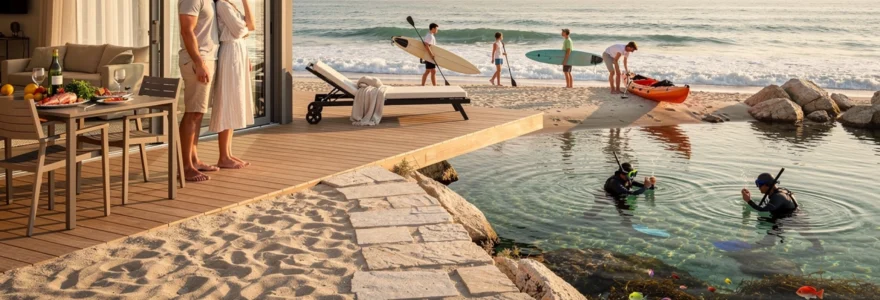
The allure of coastal living has captivated humanity for centuries, drawing people to shorelines where the rhythmic pulse of waves meets the horizon. More than just a scenic backdrop, seaside locations offer a unique blend of environmental, psychological, and practical advantages that fundamentally reshape how you experience leisure time. Recent research in environmental psychology and coastal ecology reveals that proximity to marine environments triggers measurable physiological changes, from reduced stress hormones to improved respiratory function. When you select a holiday home positioned along the coast, you’re not simply choosing accommodation—you’re investing in a lifestyle transformation that extends far beyond traditional vacation parameters. The growing trend toward coastal property ownership reflects a deeper understanding of how maritime settings enhance overall wellbeing, provide unparalleled recreational opportunities, and deliver compelling long-term value. Whether you’re contemplating a permanent seaside residence or a holiday retreat, understanding the multifaceted benefits of coastal properties enables more informed decisions about where and how to spend your most precious resource: time away from daily routines.
Coastal microclimate effects on physical and mental wellbeing
The unique atmospheric conditions found in coastal regions create a microclimate that substantially impacts human health in ways that landlocked environments simply cannot replicate. Scientific studies conducted across Mediterranean and Atlantic coastal communities demonstrate that residents and visitors to seaside areas experience measurably different health outcomes compared to inland populations. These differences stem from a complex interplay of environmental factors including air composition, temperature modulation, and solar radiation patterns that characterize maritime zones.
Negative ion concentration in sea air and respiratory health
When ocean waves crash against the shore, they release substantial quantities of negative ions into the surrounding atmosphere—electrically charged particles that produce demonstrable health benefits. Research published in the Journal of Environmental Health indicates that negative ion concentrations at coastal locations can reach 2,000 to 4,000 ions per cubic centimetre, compared to just 100-200 in urban environments. These negatively charged molecules bind with airborne pollutants, allergens, and pathogens, effectively removing them from the air you breathe. For individuals with respiratory conditions such as asthma, bronchitis, or seasonal allergies, spending time in high negative ion environments can significantly reduce symptom severity. The enhanced air quality at coastal properties means that every breath you take during your seaside holiday contributes to improved lung function and overall respiratory wellness.
Circadian rhythm regulation through natural light exposure
Coastal environments typically offer unobstructed access to natural light throughout the day, a factor that profoundly influences your body’s internal clock. The expansive horizons characteristic of seaside locations allow for optimal exposure to morning sunlight, which contains specific wavelengths that suppress melatonin production and promote alertness. Conversely, the spectacular sunsets over water provide a gradual transition to evening darkness that supports healthy sleep-wake cycles. Studies in chronobiology demonstrate that individuals who spend extended periods in environments with strong natural light cues experience improved sleep quality, enhanced mood regulation, and better metabolic function. When you choose a holiday home by the sea, you’re positioning yourself within an environment that naturally synchronizes your circadian rhythms, leading to more restorative sleep and increased daytime vitality throughout your stay.
Thalassotherapy principles: mineral absorption through sea water immersion
The therapeutic properties of seawater have been recognized since ancient times, with modern science now validating what coastal civilizations intuitively understood. Seawater contains elevated concentrations of magnesium, potassium, calcium, and trace minerals that can be absorbed through the skin during swimming or even while walking along the shoreline. Thalassotherapy, the formalized therapeutic use of seawater, has become a cornerstone of wellness tourism in coastal regions throughout Europe. Research published in the International Journal of Biometeorology found that regular seawater exposure can improve skin conditions such as psoriasis and eczema, enhance mineral balance in the body, and promote detoxification processes. When your holiday home provides immediate beach access, you can integrate these therapeutic benefits into your daily routine without the expense or formality of spa treatments.
Stress cortisol reduction mechanisms in marine environments
Perhaps the most significant health benefit of coastal living relates to stress reduction. Environmental psychologists have identified what they
psychologists term a restorative environment in marine settings, where visual, auditory, and olfactory cues work together to calm the nervous system. Exposure to “blue spaces” has been associated with lower levels of cortisol, the body’s primary stress hormone. Large-scale studies in the UK and Europe have shown that people living near the coast report better mental health and reduced anxiety compared to inland residents, even when controlling for socio-economic factors. The consistent sound of waves creates a form of natural white noise, which can decrease heart rate and blood pressure, while wide-open seascapes reduce cognitive overload in a way that dense urban environments cannot. Choosing a holiday home by the sea means that stress reduction is not limited to an occasional walk on the beach—it becomes the background state of your entire vacation, helping you return home mentally reset rather than simply distracted for a few days.
Architectural design features specific to seaside holiday properties
Beyond the environmental advantages, coastal holiday homes are often designed with distinctive architectural features that maximise both comfort and connection to the sea. These properties must withstand harsher conditions than inland homes, from salt-laden winds to higher humidity and intense sun exposure. As a result, their construction integrates advanced materials and engineering solutions tailored to the marine climate. At the same time, architects prioritise expansive views, seamless indoor-outdoor transitions, and social spaces that frame the ocean as the main focal point. When you understand these coastal design principles, you can better evaluate which seaside property will genuinely enhance your vacation experience rather than simply offering a superficial sea view.
Salt-resistant building materials and coastal weatherproofing standards
Salt corrosion is one of the primary challenges in coastal construction, affecting everything from exterior cladding to window fittings and balcony railings. High-quality seaside homes therefore rely on salt-resistant materials such as marine-grade stainless steel, powder-coated aluminium, fibre-cement cladding, and specially treated hardwoods. These components are chosen not only for their durability but also for their low maintenance requirements, ensuring that your holiday is spent relaxing rather than organising repairs. In many coastal regions, building codes now mandate enhanced weatherproofing standards, including reinforced roofing systems, storm-rated glazing, and advanced moisture barriers to protect against driving rain and sea spray.
For buyers and holiday renters alike, it is worth asking how a property has been engineered to cope with the coastal environment. Has the exterior paint been formulated to resist UV fading and salt? Are balconies and terraces fitted with corrosion-resistant fixings? Attention to these details reduces long-term maintenance costs and minimises the risk of disruptive issues during peak holiday seasons. In practical terms, robust coastal construction preserves both the structural integrity and aesthetic appeal of the home, safeguarding your investment while providing a consistently comfortable base for seaside escapes.
Panoramic glazing systems for unobstructed ocean views
One of the defining luxuries of a holiday home by the sea is the ability to enjoy uninterrupted ocean vistas from the comfort of your living room or bedroom. Modern coastal properties frequently employ panoramic glazing systems—expansive floor-to-ceiling windows, sliding glass walls, and corner glazing that erase visual barriers between interior spaces and the seascape. These systems are more than an aesthetic flourish; they are carefully engineered to balance thermal efficiency with storm resistance, often using low-emissivity coatings and laminated glass rated for high winds. The result is a living environment flooded with natural light, where the changing colours of the sea and sky become a dynamic piece of art.
From a wellbeing perspective, these unobstructed views enhance the “biophilic” connection to nature, which is associated with reduced stress and improved mood. From a functional standpoint, panoramic glazing allows you to supervise children playing on the beach or in the garden while you prepare meals or entertain guests. If you are comparing properties, consider not just whether there is a sea view, but how generous and immersive that view feels. Does the glazing frame a narrow slice of coastline, or does it provide a sweeping, cinematic outlook that transforms every moment of your stay?
Open-plan living spaces with beach access transition zones
Coastal holiday homes are typically designed around open-plan layouts that encourage social interaction and flexible use of space. Kitchen, dining, and living areas often flow into one another, oriented towards the sea to ensure that gatherings naturally gravitate toward the view. This open configuration is particularly valuable for multi-generational families or groups of friends, allowing everyone to occupy the same general space while engaging in different activities—from cooking and reading to board games and casual conversation. The absence of rigid room divisions mirrors the expansive openness of the beach itself, reinforcing a sense of freedom and relaxation.
Equally important are the “transition zones” that bridge indoor life and sandy feet: boot rooms, enclosed porches, and utility areas where you can rinse off salt and sand before entering the main living spaces. These zones often incorporate practical touches like outdoor showers, hose points, built-in storage for wetsuits and beach gear, and hard-wearing flooring that can cope with moisture. Think of them as airlocks between the raw elements and your comfortable interior. When evaluating a seaside property, ask yourself how easy it will be to move between beach and home multiple times a day without constant cleaning—efficient transition spaces are a quiet design feature that can dramatically improve day-to-day enjoyment.
Outdoor terrace integration: alfresco dining and sun deck configuration
In a well-designed seaside holiday home, the outdoor terraces are not an afterthought but an extension of the primary living areas. Elevated decks, covered verandas, and ground-level patios are often oriented to capture optimal sun exposure while providing shelter from prevailing winds. These spaces are configured for alfresco dining, sunbathing, and evening gatherings, frequently equipped with built-in seating, outdoor kitchens or BBQ stations, and integrated lighting for extended use after dusk. By blurring the boundary between interior and exterior, terraces allow you to spend a greater proportion of your holiday outdoors without sacrificing comfort.
From a planning perspective, consider how terraces are arranged in relation to key daily rituals. Is there a shaded area for morning coffee with an unobstructed sunrise view? A west-facing deck for sunset drinks? A sheltered nook that remains usable even on breezier days? Thoughtful terrace design effectively adds another “room” to your holiday home, one that maximises the sensory experience of coastal living—the warmth of the sun, the sound of waves, and the scent of salt air become integral parts of your everyday routine at the property.
Accessibility to water-based recreation activities
One of the clearest advantages of choosing a home by the sea is the effortless access to water-based recreation that it provides. Instead of scheduling occasional excursions, activities like surfing, paddle-boarding, and snorkelling can become spontaneous, daily experiences. This proximity fundamentally changes the rhythm of your vacation: equipment can stay ready by the door, early-morning sessions become feasible, and you can adapt plans quickly to tide and weather conditions. For families, this means more shared adventures and less time spent commuting to attractions; for active travellers, it unlocks an immersive, sports-oriented coastal lifestyle.
Proximity to surfing breaks: cornwall, costa brava, and algarve hotspots
For surfing enthusiasts, the distance between your front door and the nearest reliable break can make or break a holiday. Coastal home locations in regions like Cornwall, the Costa Brava, and the Algarve offer convenient access to world-class surf spots suitable for different skill levels. In Cornwall, areas around Newquay and Polzeath are renowned for consistent Atlantic swells and established surf schools, making them ideal for both beginners and experienced riders. Along Spain’s Costa Brava, select coves and open beaches benefit from Mediterranean wind patterns that generate rideable waves without the crowds associated with more famous surf destinations.
The Algarve in southern Portugal has become a magnet for surfers thanks to its unique geography, which captures swells from both the Atlantic and Mediterranean basins. Owning or renting a holiday home near these breaks allows you to adapt your sessions to changing conditions—shifting beaches as wind direction and swell height evolve throughout the day. For investors, proximity to recognised surf hotspots can increase rental appeal among active travellers, particularly outside peak summer months when surf conditions are often at their best. When comparing seaside properties, examine not just the coastline in general, but the specific quality and consistency of nearby surf breaks.
Kayaking and paddle-boarding launch points from private beach access
Kayaking and stand-up paddle-boarding (SUP) offer a more meditative way to engage with the sea, suitable for a broader age range and fitness levels. A coastal holiday home with direct or near-direct beach access effectively serves as your private launch base, eliminating the logistical friction of transporting boards and kayaks by car. You can slip onto the water at first light when the sea is glassy and calm, explore hidden coves at your own pace, or enjoy gentle evening paddles as the sun sets. This ease of access turns occasional outings into regular rituals that structure your day.
From a safety and comfort standpoint, it is worth paying attention to factors such as the gradient of the shoreline, the presence of sheltered bays, and local regulations regarding watercraft. Properties adjacent to gently shelving beaches or estuaries are particularly well-suited for kayaking and SUP, as they offer easier launches and more forgiving conditions. If you plan to host multi-generational holidays, having a mix of sheltered flat-water areas and more open coastal routes ensures that everyone—from young children to older relatives—can participate at a level that feels enjoyable and secure.
Snorkelling sites: mediterranean marine biodiversity exploration
For those who prefer to explore beneath the surface, choosing a seaside holiday home near quality snorkelling sites can open up an entirely different world. The Mediterranean in particular offers an abundance of accessible marine habitats, from Posidonia seagrass meadows to rocky reefs teeming with colourful fish and invertebrates. Coastal regions in Spain, France, Italy, and Greece each boast protected marine areas where visibility is high and biodiversity is carefully conserved. When your accommodation is close to these snorkelling spots, you can turn short breaks between meals into underwater expeditions.
Snorkelling is also one of the most accessible ways to introduce children to marine ecology, fostering a lifelong appreciation for ocean conservation. Before committing to a property, research whether nearby waters are known for clear conditions, gentle currents, and established marine trails or guided tours. Homes within walking distance of such sites provide a dual benefit: they enhance your personal experience of the coast while also increasing the property’s appeal to eco-conscious travellers who value sustainable, nature-based recreation.
Gastronomic advantages: fresh seafood supply chains and coastal cuisine
A home by the sea is not only a visual and recreational asset; it is also a gateway to distinctive gastronomic experiences grounded in freshness and locality. Coastal communities often maintain short, well-established supply chains between fishing fleets, markets, and restaurants, meaning that seafood moves from ocean to plate with minimal delay. For anyone who enjoys cooking, a holiday home kitchen near the coast becomes a stage for exploring regional recipes built around just-landed fish, shellfish, and seasonal produce. Instead of relying on standard holiday dining options, you can curate your own menus inspired by the day’s catch.
Many Mediterranean and Atlantic fishing ports host morning markets where you can buy directly from fishers, gaining insight into sustainable species and traditional methods. This direct engagement not only results in superior flavour but also supports local economies and responsible fisheries. Imagine planning your day around a visit to the harbour, selecting sea bass or sardines, and then returning to your terrace for an alfresco lunch or dinner as the waves provide a natural soundtrack. Even if you prefer to dine out, coastal towns typically offer a richer array of seafood-focused restaurants, tapas bars, and beach shacks than inland destinations, allowing you to sample everything from refined tasting menus to informal grilled specialities.
From a practical perspective, the combination of self-catering facilities and abundant fresh ingredients can significantly improve both the cost-effectiveness and nutritional quality of your holiday. You are less dependent on hotel meal schedules and more able to accommodate dietary preferences or allergies within your group. Over time, these culinary rituals—shopping at the same market stall, grilling on the same terrace, sharing long meals as the sun sets—become part of the emotional return on investment that a seaside holiday home delivers, creating food memories that are inseparable from the place itself.
Property investment performance metrics for coastal holiday homes
While the lifestyle benefits of a home by the sea are substantial, many buyers also view coastal properties through the lens of financial performance. In numerous markets, beachfront and sea-view homes have demonstrated strong long-term appreciation, driven by limited supply and growing demand for high-quality leisure destinations. Investment performance is typically assessed using metrics such as capital growth, gross rental yield, and occupancy rates, all of which tend to be favourable in well-located coastal areas. According to several European property market analyses in recent years, demand for homes with sea views has outpaced that for inland properties, with some regions seeing inquiry growth of 40–50% over previous periods.
To make an informed decision, it is important to differentiate between primary residences, second homes, and pure investment properties, as each use case carries different cost and income profiles. A holiday home that doubles as a short-term rental can offset mortgage payments, service charges, and maintenance expenses through seasonal bookings. Key performance indicators to examine include average nightly rates during high and shoulder seasons, annual occupancy percentages, and local regulations governing holiday rentals. Tools such as comparable rental data and regional tourism statistics can help you estimate realistic income scenarios rather than relying on optimistic projections.
Risk management is another critical aspect of coastal property investment. Factors like erosion risk, flood zones, and insurance costs should be carefully evaluated alongside expected returns. In many established seaside markets, urban planning and coastal defence projects mitigate these risks, but due diligence remains essential. When balanced thoughtfully, the economic and emotional returns from a home by the sea can be mutually reinforcing: rental income helps sustain ownership, while your own use of the property delivers health, wellbeing, and lifestyle dividends that are difficult to quantify but deeply felt.
Sensory immersion: auditory and visual seascape psychology
One of the most transformative aspects of staying in a home by the sea is the way it reshapes your sensory environment. Urban life often bombards us with fragmented sounds, harsh lighting, and visual clutter, which can keep the nervous system in a low-grade state of alert. In contrast, coastal settings offer a more coherent sensory landscape, dominated by the rhythmic sound of waves, the expansive visual field of sea and sky, and the subtler cues of wind and birdsong. Psychologists describe this as a “soft fascination” environment—one that captures your attention gently without demanding constant focus, thereby allowing deeper mental restoration.
The auditory dimension plays a central role. The sound of surf functions much like a natural sound machine, masking abrupt noises and providing a steady, predictable pattern that promotes relaxation and sleep. Studies on soundscapes have shown that natural water sounds are consistently rated as more pleasant and restorative than urban noise, even at similar decibel levels. When your holiday home places you within earshot of the waves, this calming soundtrack becomes the baseline of your day and night, helping to regulate breathing, lower heart rate, and improve overall sleep quality without conscious effort.
Visually, the seascape offers a combination of vastness and simplicity that is rare in built environments. The horizon line provides a stable reference point that the brain finds inherently soothing, while the ever-changing interplay of light on water introduces gentle variation that keeps the scene engaging. This balance between stability and change can be particularly beneficial if you arrive at your holiday exhausted or mentally overloaded. Have you ever noticed how staring at the ocean seems to slow down your thoughts, much like watching a campfire? This is seascape psychology in action: your attention is held just enough to interrupt rumination, but not so intensely that it becomes tiring.
Even small design choices within a coastal property can amplify this sensory immersion. Large windows oriented towards the water, seating areas that face the sea rather than the television, and outdoor spaces that allow you to feel the wind and sun all help align your daily experience with the natural rhythms outside. By choosing a home by the sea, you are effectively curating a sensory environment that supports recovery from stress, encourages mindfulness, and anchors your holiday memories in a multi-layered experience of sound, light, and space. Over time, many owners find that this immersion changes not only how they vacation, but how they feel about returning to the coast again and again.