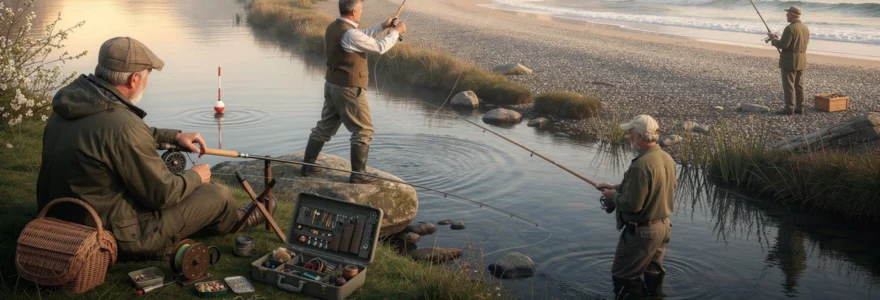
Fishing remains one of the most enduring connections between humans and the natural world, offering a profound sense of calm that modern life rarely provides. Across the British Isles, traditional angling methods continue to thrive, passed down through generations of patient practitioners who understand that fishing is as much about the journey as the catch. From the gentle flow of chalk streams to the wild expanses of Scottish lochs, these time-honoured techniques invite you to slow down, observe, and immerse yourself in waters that have drawn anglers for centuries. The rhythms of the seasons, the subtle variations in technique, and the intimate knowledge of local waters combine to create experiences that nourish both body and spirit.
Traditional coarse fishing methods along british waterways
British coarse fishing represents a deeply rooted cultural practice that has evolved over hundreds of years. The techniques employed on rivers, canals, and stillwaters throughout England reflect not merely methods of catching fish, but entire philosophies of patience, observation, and respect for aquatic environments. These traditional approaches remain remarkably effective today, connecting modern anglers with practices that stretch back to the earliest recreational fishing clubs of the 18th century.
Float fishing techniques on the river thames and severn
Float fishing on England’s great rivers exemplifies the elegant simplicity of traditional coarse angling. On the Thames, where the current flows steadily through historic towns and countryside alike, waggler fishing allows you to present baits at varying depths whilst maintaining precise control. The classic Avon float, developed specifically for rivers like the Severn, cuts through surface turbulence to provide clear bite indication even in challenging conditions. You’ll find that mastering the delicate balance between shot distribution and float selection transforms your ability to detect the gentlest takes from roach, dace, and chub. The Severn in particular offers exceptional opportunities during autumn months, when barbel move into their winter feeding patterns and respond enthusiastically to trotted bread or luncheon meat.
Leger rigs and swimfeeder applications for specimen carp
The pursuit of specimen carp through traditional legering methods represents a more contemplative branch of coarse fishing. Unlike modern carp fishing with its emphasis on prolonged sessions and elaborate bivvies, traditional leger fishing focuses on watercraft and bait presentation finesse. A simple running leger with a pear-shaped lead allows your bait to settle naturally on the lakebed, whilst the fish feel minimal resistance when they pick up your offering. Swimfeeders add another dimension, releasing a steady stream of groundbait or pellets that creates an irresistible feeding area. On historic estate lakes throughout the Home Counties, you’ll discover that these methods, refined over decades, consistently outperform more complicated modern approaches when targeting the cautious, educated fish that inhabit these pressured waters.
Trotting with centrepin reels on Fast-Flowing streams
The centrepin reel remains one of British angling’s most beautiful and effective tools for presenting baits in flowing water. This traditional reel, essentially a large free-running drum, allows your float to travel downstream at exactly the same pace as the current—a presentation impossible to achieve with fixed-spool reels. When trotting for grayling on Yorkshire Dales rivers or chub on Wessex streams, the centrepin gives you unmatched sensitivity and control. You’ll feel every nuance of the river’s flow transmitted through the line, developing an almost telepathic connection with your tackle. The technique demands practice and concentration, but rewards you with a fishing experience that connects you directly with traditions stretching back over 150 years. Many anglers describe centrepin fishing as meditative, requiring complete focus on the float’s progress whilst simultaneously reading the water’s character and anticipating where fish might intercept your bait.
Traditional pole fishing in the fenland drains of cambridgeshire
The Cambridgeshire Fens present a unique fishing environment where long, straight drainage channels slice through flat agricultural landscapes. Here, pole fishing has been refined to an art form, particularly for bream, tench, and roach that inhabit these dark, mysterious waters. The traditional pole—often extending to 13
metres or more—allows you to present delicate baits with absolute precision, placing a single grain of sweetcorn or a small pellet tight to the far-bank reeds. The tranquillity of these fenland drains belies their complexity: subtle variations in depth, underwater ledges and boat traffic all influence how fish patrol a swim. By feeding a little and often with groundbait and loose offerings, you build a rhythm that draws shoals into your peg and keeps them interested throughout the session. For many anglers, the quiet concentration of watching a slim pole float dimple and slide away is the very essence of traditional coarse fishing, combining focus with a deep sense of place in this remarkable man-made landscape.
Fly fishing sanctuaries in scotland’s highland lochs and rivers
Scotland’s Highlands offer some of the most atmospheric fly fishing experiences in the world, where centuries-old traditions meet wild, unspoilt landscapes. Here, the craft of casting a fly is inseparable from the history of the waters themselves, with many beats documented in angling literature dating back to the Victorian era. Whether you are wading a peat-stained loch or standing knee-deep in a snow-fed river, the combination of clean air, dramatic scenery and finely tuned technique creates a sense of immersion that goes far beyond the simple act of catching fish. These Highland sanctuaries are ideal if you are looking for a fishing holiday that blends relaxation, tradition and a touch of adventure.
Dry fly presentation on the river spey for atlantic salmon
The River Spey is synonymous with Atlantic salmon and elegant casting, and nowhere is this more evident than in the practice of dry fly fishing for these powerful fish. Unlike the more common sunk fly approach, presenting a dry fly on the Spey demands light tackle, long leaders and meticulous attention to drag-free drift. Imagine a large salmon rising through several metres of clear water to sip a surface fly as delicately as a trout; it is a heart-stopping moment that rewards patience and precision in equal measure. Guides along the Spey often recommend classic bombers and skated dries in late summer and early autumn, when water temperatures and levels encourage surface activity. The combination of Spey-style casting and surface presentations creates an experience that feels both technically challenging and deeply traditional.
Nymph fishing strategies in loch leven for wild brown trout
Loch Leven occupies a special place in Scottish angling history, having given its name to a distinctive strain of hard-fighting brown trout exported worldwide. Nymph fishing here is a subtle art that requires an understanding of underwater life cycles as much as casting skill. Rather than relying on aggressive retrieves, many boat anglers favour slow figure-of-eight retrieves or even static presentations, allowing buzzers, crunchers and small nymphs to drift naturally in the water column. Paying attention to wind lanes, water colour and insect hatches often makes the difference between a quiet day and a session filled with takes. By matching the size and silhouette of natural food items, you tap into a long tradition of imitative fishing that has produced spectacular catches on this famous loch for more than a century.
Wet fly swing techniques on the river tweed
The River Tweed, straddling the border between Scotland and England, is revered for its salmon runs and classic wet fly fishing. The traditional wet fly swing, where you cast across and slightly downstream and then allow the current to arc your fly through the pool, is as much about rhythm as it is about technique. Adjusting your line belly, mending upstream or downstream and varying your casting angle all influence how fast and how deep the fly works—subtle changes that often trigger takes from following fish. Many anglers compare this method to slowly opening a curtain across the river, revealing each lie and seam to the salmon in turn. When the line tightens mid-swing and the rod lurches into life, you feel the direct connection between age-old rivercraft and that single electrifying moment of contact.
Traditional scottish patterns: teal blue and silver, black pennell
Scotland’s traditional fly patterns are more than just functional lures; they are cultural artefacts refined over generations. Flies such as the Teal Blue and Silver and the Black Pennell embody simple yet effective colour combinations that work across a wide range of lochs and rivers. Their understated profiles and muted tones make them ideal for peaty waters where overly bright patterns can spook wary fish. Many Highland anglers still carry fly boxes filled with these time-honoured designs, confident that they will produce fish when modern, more elaborate patterns fail. Tying and fishing these classics can feel a little like playing a favourite old record: familiar, comforting and surprisingly effective in the right conditions.
Sea angling heritage sites across cornwall and devon coastlines
The rugged coasts of Cornwall and Devon have sustained fishing communities for centuries, and today they offer sea anglers a rich blend of heritage and sport. From sweeping shingle banks to sheltered harbours, these waters are home to bass, pollack, mackerel and countless other species that draw visitors from across the UK and beyond. What makes sea angling here particularly special is the way traditional methods continue to coexist with modern tackle, giving you the freedom to choose how deeply you want to lean into history. Many charter skippers, shore guides and harbour communities actively preserve old techniques, ensuring that a day by the sea can be both a relaxing escape and a living lesson in maritime culture.
Shore fishing for bass at chesil beach using live sandeel
Chesil Beach, with its sweeping ridge of shingle stretching for miles along the Dorset coast and into Devon, offers some of the most atmospheric shore fishing for bass in southern England. Traditionalists often favour live sandeel fished on simple running ledger rigs, allowing the bait to move naturally with the surf as if it were part of the shoal. Timing is crucial here: dusk and dawn tides, especially on gently rising or falling water, frequently bring bass close enough for shore anglers to reach. Wading carefully among the shifting stones, listening to the hiss of the waves and watching your rod tip for that decisive lunge can feel almost meditative. When a bass finally powers away with your sandeel, the sudden surge of energy provides a vivid contrast to the calm that preceded it.
Deep-sea wrecking for pollack off the eddystone reef
Off the Devon and Cornwall coasts, the Eddystone Reef and surrounding wrecks form a magnet for pollack, cod and ling, offering exciting deep-sea fishing opportunities. Wrecking for pollack typically involves drifting over submerged structures while working long, slim lures or baited muppets through the water column, feeling for that characteristic heavy thump as a fish intercepts your offering. Many charter boats operating from Plymouth, Looe and nearby harbours maintain long-standing relationships with local skippers whose knowledge of tides, currents and wreck marks has been built over decades. While modern echo sounders and GPS have transformed how accurately these spots can be located, the fundamentals of reading the drift and controlling lure depth remain rooted in traditional seamanship. For those who enjoy combining physical effort with technical skill, few methods are as rewarding as steadily pumping a big pollack up from the depths.
Traditional handline methods in cornish fishing villages
In Cornwall’s smaller harbours and coves, handlining remains a simple yet evocative way to catch fish close to shore. Using nothing more than a weighted line, a few hooks and your hands, you lower baited rigs into channels and around pier pilings where mackerel, pollack and wrasse patrol. The direct contact between your fingers and the line makes every pluck and pull feel amplified, connecting you intimately with the unseen world below. Many local families still introduce children to sea angling through handlining, often from the same harbour walls their grandparents used. For visitors, joining a short handline session can be a relaxed, low-tech introduction to sea fishing that captures the essence of traditional coastal life.
Contemplative pike fishing in norfolk broads and irish loughs
For many anglers, pike fishing offers a uniquely contemplative form of escapism, particularly on wide, reed-fringed waters like the Norfolk Broads and the great loughs of Ireland. These landscapes encourage slow, deliberate movement and extended periods of quiet observation, whether you are drifting with the wind or pushing a small boat along the margins. Traditional methods—such as float-fished deadbaits, wobbling sprats or slowly retrieved spoons—allow you to cover water methodically while remaining attuned to every nuance of the environment. The occasional explosion of a pike take, sudden and violent after an hour of stillness, feels all the more dramatic against this calm backdrop. Many regulars describe these sessions as a form of moving meditation, where the mind gradually sheds everyday concerns and focuses solely on water, weather and the possibility of a sudden pull.
Ethical handling of pike is central to maintaining these fisheries, especially on catch-and-release waters where large fish may be caught several times over their long lives. Strong tackle, unhooking mats and long forceps are essential, as is the confidence to handle a toothy predator safely and quickly. On Irish loughs, local guides are often invaluable, not just for putting you over fish-holding areas but for sharing tried-and-tested approaches to unhooking and revival. Respecting close seasons, avoiding shallow spawning bays at critical times and minimising time out of the water all help sustain the stocks that make these venues so special. In return, the broads and loughs offer you something intangible: a deep sense of connection with wild, old fish in equally ancient landscapes.
Historic angling estates and preserved chalk streams
Historic angling estates and preserved chalk streams form the backbone of Britain’s fly fishing heritage, particularly in southern England. These carefully managed waters demonstrate how traditional practices, conservation and relaxation can blend into a single, coherent experience. Crystal-clear flows, rich weed beds and stable temperatures create ideal conditions for wild trout and grayling while also offering anglers an unparalleled window into underwater life. Many estates operate with strict etiquette—wading restrictions, upstream-only rules, bag limits—that may seem formal at first but are designed to protect delicate habitats and maintain high-quality sport. Walking these banks, you are not just fishing; you are participating in a living tradition that has shaped modern fly fishing worldwide.
River test and itchen: dry fly purism for wild trout
The River Test and River Itchen are renowned worldwide for their clear chalk waters and demanding dry fly fishing. Here, upstream-only, dry-fly-only rules on certain beats embody a philosophy that places presentation and observation above sheer numbers of fish caught. Stalking wild and wild-bred trout in shallow, weed-fringed runs requires you to read rise forms, identify natural insects and adjust your approach accordingly. A long leader, fine tippet and carefully chosen pattern—often a simple olive or sparse sedge—are more important than casting distance. When a trout finally noses up to sip your fly from the meniscus, you feel the distilled essence of chalk stream angling: precise, respectful and deeply satisfying.
Arundel estate waters and traditional estate management practices
The Arundel Estate and similar historic properties showcase how thoughtful management can preserve both fishing quality and broader biodiversity. Traditional estate practices often include controlled grazing, careful tree planting and ongoing river restoration work, all aimed at maintaining clean gravels, varied flow patterns and healthy invertebrate populations. As an angler, you benefit from well-kept banks, thoughtfully placed stiles and huts, and clear information on beats and etiquette—small details that make a day on the water feel unhurried and comfortable. Many estates also support educational days and fly tying or casting tuition, passing skills on to new generations. By choosing to fish these waters, you indirectly support conservation work that extends far beyond the river corridor, contributing to thriving birdlife, mammals and plant communities.
Welsh dee valley: salmon fishing heritage and beat rotation systems
The River Dee in Wales offers a contrasting yet equally historic experience, particularly for those drawn to salmon and sea trout. Beat rotation systems, where rods move between defined sections of the river according to a set timetable, ensure fair access and prevent over-fishing of prime lies. This structure encourages a steady, unhurried pace to the day, with time built in for rest, conversation and reflection between fishing periods. Casting traditional doubles or modern tube flies through famous pools, you become part of a story that stretches back through generations of ghillies and visiting rods. The shared respect for etiquette—from how you enter a pool to how you pass other anglers—helps create a sense of community, even among people meeting on the bank for the first time.
Seasonal rhythms and traditional fishing calendars
Underpinning all these methods and locations is the quiet pulse of the angling year, a traditional fishing calendar that still shapes how many of us plan our time on the water. Rather than treating fishing as a purely opportunistic pastime, this seasonal approach encourages you to align your tactics and targets with natural cycles. Each species has its moments of peak activity, and each waterbody responds differently to changes in temperature, river levels and daylight length. Learning these rhythms can be as absorbing as mastering any individual technique, and it transforms fishing trips into recurring rituals that mark the passage of time. The result is a deeper, more sustainable relationship with both fish and environment.
Spring barbel runs on the river wye
As water temperatures rise and days lengthen, barbel on rivers like the Wye begin to shake off the lethargy of winter and move into more active feeding patterns. Traditional ledgering with simple running rigs, hemp and caster or meat cubes remains highly effective, especially in the late afternoon and early evening. Reading the river—identifying gravel runs below rapids, crease lines and deeper glides—often matters more than any single bait choice. Many anglers treat these spring sessions as a gentle reintroduction to flowing water after months spent on stillwaters, taking time to reacquaint themselves with wading, casting under trees and feeling the push of current on the line. When a powerful barbel finally picks up your bait and surges downstream, its energy encapsulates the sense of renewal that defines the season.
Autumn grayling season in yorkshire dales rivers
Autumn on the rivers of the Yorkshire Dales brings lower, clearer water and the arrival of cooler nights, conditions that suit grayling perfectly. Long leaders, fine tippets and small nymphs or spiders drifted through steady runs are the staples of traditional grayling fishing, often accompanied by the soft whirr of a centrepin reel. The muted colours of the landscape—russet bracken, fading heather, mist along the valley floor—mirror the understated beauty of the fish themselves. Many anglers relish grayling season as a chance to continue river fishing after trout closures, extending their year and deepening their familiarity with favourite stretches. The combination of crisp air, delicate bites and the occasional surprise of a large “lady of the stream” makes these sessions quietly memorable.
Winter pike deadbaiting on stillwater reservoirs
When frosts set in and many coarse species slow down, traditional deadbaiting for pike on stillwater reservoirs comes into its own. Static baits such as sardines, herring or lamprey sections, presented on simple float ledger or sunken float rigs, allow you to cover likely holding areas with minimal disturbance. Cold, clear days encourage a slower, more reflective pace: long intervals between recasts, careful observation of bird life and the subtle movements of floats against a pale winter sky. Safety and fish welfare are paramount in these conditions, with unhooking gear, adequate landing nets and warm clothing as essential as the bait itself. For those willing to embrace the chill, the reward can be encounters with heavy, well-conditioned pike in their prime, providing a dramatic contrast to the season’s otherwise subdued mood.
Summer evening tench fishing in estate lakes
As daylight lingers into late evening and water temperatures stabilise, traditional tench fishing on estate lakes and quiet club waters offers a wonderfully relaxed way to end the day. Classic methods—lift-method float rigs, lightly fed groundbait and simple baits like sweetcorn, worms or breadflake—remain as effective as ever. Sitting behind a gently glowing float as dusk gathers, listening to reed warblers and the occasional splash of rolling fish, you feel the pace of life slow to match the unhurried movements of the tench below. Many anglers build annual rituals around these sessions, returning to the same swims and refining their approach year after year. When the float finally lifts, slides under and you lean into the solid weight of a tench, it feels less like a sudden event and more like the natural culmination of an entire season’s quiet anticipation.