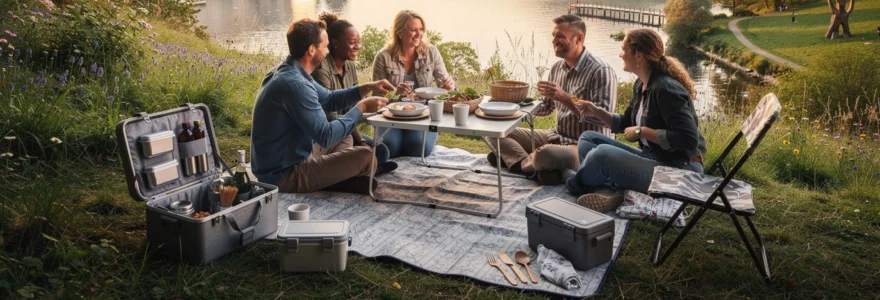
The British Isles offer an extraordinary collection of natural landscapes that transform outdoor dining into unforgettable experiences. From windswept coastal cliffs to serene lakeside meadows, these settings provide more than just a backdrop for your meal—they create moments of connection with nature that urban dining simply cannot replicate. The growing popularity of elevated outdoor dining reflects a deeper desire to escape digital distractions and reconnect with the natural world whilst enjoying carefully prepared food in breathtaking surroundings. Whether you’re planning a romantic afternoon for two or a family celebration, the right location paired with thoughtful preparation can turn a simple meal into a cherished memory. Understanding which gear to bring, where to go, and when to visit ensures your outdoor dining experience becomes something truly special rather than a logistical challenge.
Essential gear and equipment for elevated outdoor dining experiences
Successful outdoor dining requires more than just enthusiasm—you need the right equipment to ensure comfort, food safety, and environmental responsibility. The difference between a memorable picnic and a disappointing outing often comes down to preparation and proper gear selection. Investing in quality equipment pays dividends across multiple outings, whilst thoughtful choices about materials and design demonstrate respect for the natural spaces you’ll be enjoying.
Insulated picnic hampers and thermal food storage solutions
Temperature control represents perhaps the most critical factor in outdoor food safety and enjoyment. Modern insulated hampers have evolved considerably from the wicker baskets of previous generations, now incorporating advanced thermal technology that maintains food temperatures for up to eight hours. Look for hampers with thick foam insulation panels and airtight seals that prevent temperature exchange. The best models feature separate compartments for hot and cold items, allowing you to transport warm quiches alongside chilled salads without compromise. Reusable ice packs filled with non-toxic gel provide superior cooling compared to traditional ice, which melts and creates moisture problems. For extended outings in warmer weather, consider investing in a portable cool box with battery-powered refrigeration—these units maintain consistent temperatures and prove invaluable for seafood, dairy products, and other perishables that demand precise cooling.
Portable folding tables and lightweight camping furniture
Whilst traditional ground-level picnics hold romantic appeal, portable tables dramatically enhance comfort and practicality, particularly for older guests or those with mobility considerations. Contemporary folding tables weigh less than three kilograms yet support substantial loads, with aluminium frames and reinforced plastic surfaces that resist weather damage. Height-adjustable models accommodate various seating arrangements, from low camping chairs to standard dining positions. When selecting camping furniture, prioritize designs that fold compactly for transport yet provide genuine ergonomic support. Directors’ chairs with side tables offer excellent back support and convenient drink holders, whilst lightweight folding stools pack efficiently for hiking to remote locations. Remember that comfort directly influences how long you’ll want to linger in beautiful settings—uncomfortable seating cuts outings short regardless of how stunning the views might be.
Weather-resistant picnic blankets with waterproof backing
Ground insulation proves essential for comfortable outdoor dining, particularly in the notoriously damp British climate. Premium picnic blankets feature three-layer construction: a soft, attractive top surface for comfort, thick foam padding for insulation and cushioning, and a completely waterproof backing that prevents ground moisture from seeping through. The best blankets incorporate PEVA or TPU waterproof layers that remain flexible in cold conditions, unlike cheap PVC alternatives that crack and deteriorate quickly. Size matters considerably—whilst compact blankets suit couples, family gatherings require generous dimensions of at least 2.5 by 2 metres to accommodate everyone comfortably. Integrated carry straps or handles make transportation effortless, whilst machine-washable materials simplify cleaning after muddy or grassy outings. Some advanced designs include weighted corners or ground stakes to prevent wind displacement, a feature you’ll appreciate during breezy coastal picnics.
Reusable bamboo cutlery sets and Eco-Friendly dining accessories
Environmental consciousness has transformed picnic accessories, with sustainable alternatives replacing disposable plastics across the industry. Bamboo cutlery sets offer remarkable durability combined with natural antimicrobial properties, maintaining hygiene without chemical treatments. These utensils feel
comfortable in the hand, unlike flimsy single-use plastic. Pair your bamboo cutlery with stainless steel or bamboo plates, stackable enamel bowls, and reusable cloth napkins to create a cohesive eco-friendly dining kit. Compact roll-up pouches keep everything organised, prevent damage in transit, and make it easy to see at a glance if anything is missing before you leave home. Refillable water bottles, insulated coffee flasks, and silicone food pouches further reduce waste, helping ensure that your scenic outdoor meal leaves no trace beyond footprints. By investing in high-quality reusable dining accessories, you not only enhance your picnic experience but also contribute to preserving the very landscapes you are there to enjoy.
Coastal picnic destinations: beachfront and clifftop locations
Coastal landscapes across the British Isles provide some of the most dramatic backdrops for picnic experiences in the most scenic outdoor settings. Sea cliffs, dune-backed bays, and sweeping sandy shores create a sense of openness that is both invigorating and restorative. When planning a coastal picnic, you must consider tides, wind exposure, and access routes just as carefully as your menu. Check local tide tables and weather forecasts, and always carry an extra layer, as sea breezes can make temperatures feel several degrees cooler than inland. With considered planning, coastal picnics become immersive experiences where the sound of waves and the cry of seabirds complement your meal like a live soundtrack.
Seven sisters chalk cliffs sussex: dramatic white cliff picnic spots
The Seven Sisters chalk cliffs between Seaford and Eastbourne offer some of the most striking picnic locations in southern England. Rolling grass-topped cliffs plunge into the English Channel, creating panoramic views that feel almost cinematic on clear days. Picnic spots here are best chosen a safe distance from the cliff edge, ideally on gently sloping meadows where you can still enjoy sweeping vistas without compromising safety. You might spread your waterproof-backed blanket near the South Downs Way, using a lightweight windbreak or your portable folding table as a buffer against crosswinds. As with any clifftop location, staying on marked paths and heeding local safety signage ensures that your elevated outdoor dining remains memorable for all the right reasons.
Durdle door dorset: limestone arch beach settings
Durdle Door on the Jurassic Coast has become an iconic destination for those seeking a beach picnic with a unique geological centrepiece. The natural limestone arch framing the turquoise water provides a focal point that elevates even a simple picnic into a special occasion. Access involves a relatively steep path and steps, so packing light with compact insulated hampers and roll-up picnic blankets is crucial. Once on the shingle beach, you can use foam-padded blankets and low chairs to create a comfortable base, while keeping an eye on rising tides that can significantly reduce available space at high water. Because this is a popular spot, early morning or late afternoon visits often offer a more relaxed atmosphere, with softer light that enhances photography and creates a more serene dining environment.
Luskentyre beach outer hebrides: turquoise water shoreline retreats
Luskentyre Beach on the Isle of Harris is frequently cited among the most beautiful beaches in Europe, with white sands and glass-clear, turquoise waters reminiscent of the Caribbean. The difference here, of course, is the cooler Hebridean climate, which makes good insulated clothing and wind-resistant gear just as important as your picnic menu. A sturdy weather-resistant blanket acts as both seating and wind barrier when anchored with stakes or weighted corners. Many visitors choose to picnic behind low dunes or on slightly elevated grassy banks, where you gain shelter from prevailing winds while still enjoying uninterrupted views across to the island of Taransay. With minimal facilities on-site, you need to be self-sufficient—bringing ample water, hot drinks in thermal flasks, and sufficient waste bags to carry everything back out with you.
Pembrokeshire coast national park: secluded cove dining areas
The Pembrokeshire Coast in Wales is renowned for its string of secluded coves and sheltered inlets, many of which are reachable only on foot along the coast path. These quiet bays make ideal settings for more intimate picnic experiences, where the sound of surf and the scent of salty air replace urban background noise. Because access often involves uneven paths and some elevation changes, your luxury picnic setup must balance comfort with portability; think compact folding furniture and streamlined hampers rather than bulky cool boxes. Arriving at mid-tide can be advantageous, revealing expanses of sand and rock pools without risking being cut off by the incoming sea. As several coves sit within wildlife-rich areas, avoiding loud music and keeping a respectful distance from nesting birds ensures your waterfront dining remains in harmony with local ecosystems.
Mountain and highland picnic locations across the british isles
Mountain and highland regions provide some of the most rewarding picnic experiences in the most scenic outdoor settings, but they also demand greater preparation and respect for changing conditions. Altitude, exposure, and rapidly shifting weather can transform a leisurely lunch stop into a survival challenge if you are under-equipped. The key is to treat high-level picnics as part of a mountain day rather than a casual park outing, packing spare layers, emergency blankets, and robust navigation tools alongside your food. In return, you gain the chance to dine above cloud inversions, watch shifting light across ridges, and experience that rare sense of stillness that descends on high plateaus. Are you prepared to trade a short walk from the car park for a three-hour hike in exchange for truly extraordinary views?
Lake district fells: scafell pike and helvellyn summit dining
Scafell Pike and Helvellyn are among the most celebrated summits in England, and enjoying a picnic near their tops adds a rewarding dimension to any ascent. Because these peaks can be busy on summer weekends, choosing a slightly offset viewpoint—such as a shoulder below the summit or a nearby tarn—often yields a more peaceful dining spot. Lightweight insulated hampers or packable cool bags fit neatly into larger hiking rucksacks, protecting your food during steep climbs and occasional showers. Wind chill is a serious consideration at altitude, so hot soups in vacuum flasks, insulated seating pads, and windproof layers can make the difference between a rushed snack and a relaxed meal with panoramic views. Always be prepared to abandon your planned picnic location if weather deteriorates; mountain safety must override even the most carefully curated menu.
Scottish cairngorms: ben macdui plateau picnic opportunities
Ben Macdui, the second-highest mountain in the UK, offers vast plateau landscapes that feel almost Arctic in character. Here, the sense of space and remoteness creates uniquely atmospheric picnic experiences, particularly on clear days when views extend to the surrounding Cairngorm giants. Because the plateau is exposed and navigation can be complex in poor visibility, only experienced hillwalkers with appropriate equipment should plan high-level picnics in this area. Compact, high-calorie foods, insulated sitting mats, and robust windproof jackets are far more important here than elaborate tableware. Think of your luxury as warmth and safety rather than ornate decor—on Ben Macdui, a steaming hot drink and a sheltered spot behind a cairn can feel as indulgent as a white-tablecloth restaurant.
Snowdonia national park: yr wyddfa mountain range settings
Snowdonia’s Yr Wyddfa (Snowdon) range combines sharp ridges, glacial cwms, and high lakes that lend themselves to diverse picnic locations. While the summit may be crowded during peak season, quieter spots await along routes such as the Rhyd Ddu Path or near lesser-known lakes like Llyn Llydaw and Glaslyn. Here you can use lightweight camping furniture to create a small “dining room” with a view, taking care to anchor items in gusty conditions. Because Wales sees some of the highest rainfall totals in the UK, packing a compact tarp or emergency shelter can be as important as your waterproof picnic blanket. An analogy is helpful: treating the mountain as a remote restaurant that may unexpectedly close—due to weather—encourages flexible plans and backup locations lower down the slopes.
Peak district moorlands: kinder scout and mam tor viewpoints
The Peak District’s high moorlands and gritstone edges provide more accessible highland-style picnic experiences without the extreme altitudes of Scotland or the Lake District. Kinder Scout’s plateau and Mam Tor’s ridge offer extensive views over rolling countryside, particularly atmospheric at sunrise or sunset. Paths are generally well-established, but exposed sections can become hazardous in high winds or winter conditions, so sturdy footwear and layered clothing remain essential. Many visitors choose to picnic slightly off the main paths on short grassy sections, where a weather-resistant blanket and low-profile chairs create a stable base that does not damage the fragile peatland ecosystem. Because car parks and villages are relatively close compared to more remote mountain regions, the Peak District is ideal for testing more elaborate elevated outdoor dining setups before committing to longer, more committing hikes elsewhere.
Woodland and forest picnic settings with natural canopy
Woodlands and forests offer natural canopy cover that softens light, reduces wind, and creates a sense of enclosure ideal for relaxed picnic experiences. Dappled sunlight filtering through leaves can transform even a modest spread into a scene worthy of a lifestyle magazine. These environments are also rich in wildlife, from birdsong to delicate ground flora, so staying on established paths and respecting designated picnic areas is essential to minimise disturbance. Compared to open moorland or exposed coastlines, forests often feel warmer and more sheltered, extending the viable picnic season into early spring and late autumn. Have you ever noticed how a simple thermos of tea tastes different when enjoyed amongst tall trees, with the scent of pine or damp earth in the air?
New forest hampshire: ancient woodland clearings and glade spots
The New Forest’s mixture of ancient woodland, heathland, and open lawns provides myriad options for shaded picnics beneath centuries-old oaks and beeches. Designated picnic sites near car parks cater to families seeking convenience, while more tranquil glades can be found a short walk away along marked trails. Because free-roaming ponies, donkeys, and cattle are common throughout the forest, it is vital to store food securely in closed hampers or cool boxes and never feed the animals. Low folding tables and sturdy blankets keep your meal elevated and protected from inquisitive noses and damp ground. This is an environment where a simple, eco-friendly picnic setup blends well with the landscape, allowing you to enjoy the sense of timelessness that characterises these ancient woods.
Forest of dean gloucestershire: riverside picnic areas along river wye
The Forest of Dean sits between the River Severn and River Wye, offering a mix of dense woodland and scenic riverside corridors that are ideal for leisurely outdoor dining. Along the Wye, you can combine canoeing or gentle walks with picnic stops on grassy banks, where you watch kayakers and wildlife drift by. Choosing a waterproof-backed blanket is particularly important here, as riverbank ground can remain damp even in dry weather. Many visitors find that a simple folding chair and small side table provide sufficient comfort without the need to transport a full picnic furniture set. Because rivers can rise quickly after rain, especially in autumn and winter, selecting slightly elevated spots and keeping gear easy to move ensures you are not caught out by changing water levels.
Grizedale forest lake district: sculpture trail picnic stops
Grizedale Forest, situated between Coniston Water and Windermere, combines extensive woodland with an outdoor sculpture collection that turns a picnic outing into an artistic exploration. Waymarked trails lead past installations ranging from subtle environmental pieces to bold modern structures, many of which sit near open clearings perfect for a mid-walk meal. Families in particular appreciate the opportunity to break up walking with creative discussion as children search for the next artwork. Lightweight, easily packable picnic gear works best here, as you may choose several shorter stops rather than one long, formal lunch. As always in forest settings, taking all litter home and avoiding disturbance to flora and fauna helps ensure this blend of art and nature remains unspoiled for future visitors.
Lakeside and riverside picnic venues for waterfront dining
Lakes and rivers across the British Isles deliver some of the most tranquil picnic experiences in the most scenic outdoor settings, with calm water surfaces amplifying light and reflections. These locations often provide easier access than mountain or cliff settings, making them particularly suitable for families and multi-generational groups. Gentle breezes over water can keep summer temperatures comfortable, though they may also carry insects, so insect repellent and covered food storage prove useful additions to your kit. Many lakeside and riverside sites offer jetties, slipways, or boat hire, allowing you to combine paddling or rowing with an onshore meal. Whether you are sipping coffee beside a mist-covered lake at dawn or sharing a late-summer dinner by a slow-moving river, waterfront dining encourages a slower, more contemplative pace.
Lake windermere cumbria: waterfront picnic grounds and jetty access
Lake Windermere, England’s largest natural lake, is dotted with public parks, bays, and small peninsulas that lend themselves to varied picnic styles. On the eastern shore, Bowness and Brockhole offer well-equipped picnic grounds with easy access to parking, toilets, and boat hire, ideal for families seeking a low-stress day out. Those desiring more seclusion might head to quieter western shore spots, where short walks reveal small beaches and rocky outcrops with expansive lake and fell views. Portable folding tables are especially useful on uneven lakeside terrain, keeping drinks and food level while you sit on blankets or low chairs closer to the water. With frequent showers in this region, a compact umbrella or tarp shelter ensures your waterfront dining can continue even under light rain, turning changing weather into part of the lake’s character rather than a disruption.
Loch lomond and the trossachs: scottish highland loch shores
Loch Lomond and The Trossachs National Park provides a taste of the Highlands within easy reach of Glasgow and Edinburgh, making it a prime destination for spontaneous day trips. Picnic spots range from popular beaches like Luss and Balmaha to quieter bays accessible by short forest walks or from the water by kayak. The combination of wooded shores, islands, and surrounding peaks means you can tailor your picnic setting to your preferences, whether that is a shady forest edge or an open, sunlit strand. Because midges can be active around damp vegetation from late spring through early autumn, insect nets, repellent, and covered food containers are sensible additions to your gear. As in all lochside areas, obeying local guidance on fire use and barbecues is crucial to prevent damage to fragile shorelines and woodland.
River thames cotswolds: meadow bankside picnic areas
In its upper reaches through the Cotswolds, the River Thames bears little resemblance to the urban waterway that flows through London. Here, the river meanders past wildflower meadows, quaint stone villages, and low footbridges, creating idyllic picnic scenes that feel almost timeless. Many walkers follow sections of the Thames Path, using stiles and gates to access meadow edges where they can spread blankets away from livestock and cropped pasture. Because shade can be limited in open fields, a wide-brimmed hat, sunscreen, and plenty of water should accompany your luxury picnic setup during warmer months. The relatively gentle terrain and abundant access points make this stretch of river particularly well-suited to those seeking scenic outdoor dining without strenuous hiking.
Seasonal planning and weather considerations for outdoor picnics
Seasonal timing plays a decisive role in shaping your picnic experiences in the most scenic outdoor settings, influencing daylight hours, temperature, flora, and crowd levels. Planning with the calendar as carefully as you plan your menu can dramatically enhance comfort and enjoyment. For instance, visiting a popular beach on a midweek evening in early June offers a very different atmosphere from a Saturday afternoon in August. Weather apps and mountain forecasts have improved substantially in recent years, but they remain tools rather than guarantees, so always build in flexibility and contingency plans. Thinking of the weather as a dynamic ingredient—like spice in a recipe—helps you adapt your expectations while still savouring the experience.
Spring wildflower meadows: bluebell woods and rapeseed field settings
Spring brings a burst of colour to the British countryside, with bluebell woods and bright yellow rapeseed fields creating spectacular settings for early-season picnics. Bluebell carpets typically peak between late April and mid-May, depending on latitude and local microclimate, transforming ancient woodlands into otherworldly spaces of violet and green. When picnicking near bluebells, it is essential to remain on established paths and clearings, as the plants are easily damaged by trampling and can take years to recover. Rapeseed fields, meanwhile, are usually best enjoyed from adjacent rights of way or field margins, as entering the crop itself can harm plants and contravene land access rules. Layered clothing, including lightweight waterproofs and a fleece, is advisable in spring, when sunshine can swiftly give way to sharp showers and cooler breezes.
Summer solstice extended daylight picnic opportunities
The period around the summer solstice in late June offers the longest daylight hours of the year, especially in northern parts of the UK where usable light can extend well past 10 p.m. This extended window creates unique opportunities for evening picnics that transition into sunset-watching or even stargazing sessions. Coastal cliffs, lakeside shores, and mountain viewpoints all feel different in the low-angle light of late evening, with colours softening and wildlife activity often increasing. To make the most of long days, consider packing layered courses in your picnic hamper—lighter snacks for late afternoon, followed by a main meal or dessert timed with sunset. Head torches, reflective clothing, and a clear understanding of your route back to the car or accommodation are essential if your elevated outdoor dining experience will continue into twilight or darkness.
Autumn foliage viewing: deciduous woodland colour peak timing
Autumn transforms deciduous woodlands into rich tapestries of gold, amber, and russet, creating some of the most photogenic picnic settings of the year. In many parts of the British Isles, colour typically peaks between mid-October and early November, though timing can shift with temperature and rainfall patterns. Forests such as the New Forest, Forest of Dean, and parts of the Scottish Highlands become natural galleries of changing leaves, best appreciated on crisp, clear days with low humidity. Cooler temperatures mean hot drinks, insulated seating, and windproof layers move from optional extras to essential components of your gear. There is a particular pleasure in sharing warm soup or spiced hot chocolate on a blanket strewn with fallen leaves, listening to the soft crunch underfoot as people move around your woodland “dining room.”
Microclimate selection and wind protection strategies
Microclimates—small areas where local conditions differ from the surrounding region—can significantly influence the comfort of your outdoor dining. South-facing slopes, sheltered coves, and tree-lined valleys often feel several degrees warmer and less windy than exposed ridges or open fields only a short distance away. Before committing to a specific spot, take a few minutes to walk around and assess factors such as wind direction, shade, and ground dampness; this simple habit can dramatically improve your experience. Portable windbreaks, natural features like boulders or hedges, and the positioning of your folding table and blanket can all serve as effective wind protection strategies. Much like choosing a corner table away from a restaurant’s draughty door, selecting the right micro-location in nature turns a good picnic into a truly comfortable and memorable occasion.