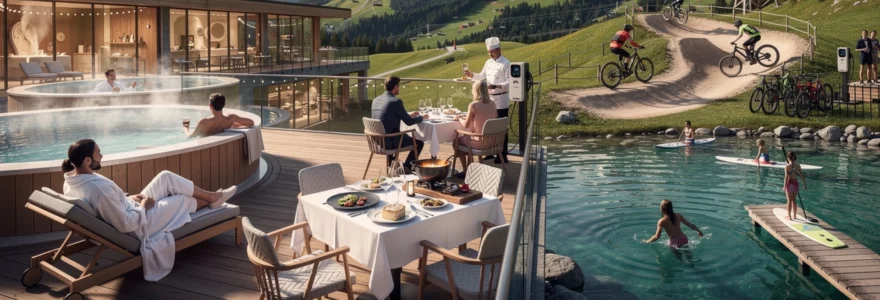
Traditional ski destinations have undergone a remarkable transformation in recent years, evolving from seasonal winter playgrounds into comprehensive year-round leisure complexes. Modern mountain resorts now recognize that their spectacular alpine environments offer far more than pristine pistes and powder snow. Today’s savvy resort operators have diversified their offerings to include world-class spa facilities, gourmet dining experiences, adventure sports infrastructure, and cultural programming that rivals urban centers. This evolution reflects changing consumer expectations and the economic necessity of extending the profitable season beyond the traditional winter months. Whether you’re seeking thermal relaxation at 2,000 meters, challenging mountain bike trails with panoramic views, or Michelin-starred cuisine in an alpine setting, contemporary ski resorts deliver experiences that extend far beyond downhill skiing.
Alpine wellness sanctuaries: spa facilities and thermal bath experiences at mountain destinations
The combination of high-altitude environments and therapeutic wellness facilities has created a distinctive niche within the alpine tourism sector. Mountain destinations across Europe have increasingly invested in sophisticated spa complexes that harness natural thermal waters, integrate cutting-edge treatments, and offer visitors the unique opportunity to unwind in heated pools whilst gazing at snow-capped peaks. This wellness tourism segment has proven particularly successful in attracting guests during shoulder seasons and summer months, effectively transforming traditional ski resorts into holistic health destinations.
Aqua dome tirol’s subalpine thermal springs and hydrotherapy circuits
Located in the Ötztal Valley of Austria, the Aqua Dome complex represents one of Europe’s most architecturally distinctive thermal spa facilities. The resort features three floating bowl-shaped pools suspended above ground level, heated by natural thermal springs that reach temperatures of 34-36°C. These thermal waters contain beneficial minerals including magnesium, calcium, and sulphate compounds that are believed to support muscular recovery and joint health. The hydrotherapy circuits include contrasting temperature zones, underwater massage jets, and specialized treatment pools designed to stimulate circulation and promote relaxation after physically demanding mountain activities.
Les arcs paradiski’s deep nature spa and cryotherapy chambers
The French resort of Les Arcs has established itself as a pioneer in integrating advanced recovery technologies within alpine wellness centers. The Deep Nature Spa facility spans over 2,500 square meters and features whole-body cryotherapy chambers that expose visitors to temperatures as low as -110°C for brief periods. This treatment approach, increasingly popular among professional athletes, purportedly accelerates muscle recovery and reduces inflammation. The spa also incorporates traditional sauna complexes, hammams, and treatment rooms offering specialized massage techniques adapted to the needs of skiers and outdoor enthusiasts.
St. moritz kulm hotel’s Mineral-Rich thermal bathing tradition
St. Moritz has maintained a reputation for thermal bathing excellence since the discovery of its mineral springs in the Bronze Age. The Kulm Hotel’s spa facilities tap into these ancient water sources, which contain high concentrations of iron, calcium carbonate, and carbon dioxide. The water emerges naturally at approximately 4°C before being warmed for bathing purposes. Visitors can experience various bathing rituals that have been refined over centuries, including graduated temperature immersion protocols and specialized mineral wraps. The resort’s wellness philosophy combines historical bathing traditions with contemporary treatment methodologies.
Zermatt’s riffelalp resort alpine hammam and salt grotto therapies
Positioned at 2,222 meters above sea level with direct views of the Matterhorn, the Riffelalp Resort offers one of Europe’s highest-altitude wellness facilities. The alpine hammam incorporates elements of traditional Turkish bathing culture adapted for mountain environments, featuring heated marble surfaces, aromatic steam rooms, and exfoliation treatments using alpine herbs. The facility’s salt grotto therapy rooms utilize Himalayan salt crystals to create a microclimate believed to benefit respiratory function. This halotherapy approach has gained particular traction among visitors seeking natural treatments for respiratory conditions exacerbated by altitude or cold mountain air.
Year-round mountain biking infrastructure and downhill trail networks
The strategic development of
the mountain biking infrastructure has allowed many ski resorts to become genuine four-season destinations. By converting ski lifts into bike-access systems and investing in professionally designed trail networks, these resorts now welcome downhill riders, enduro enthusiasts, and families looking for scenic cross-country routes throughout the warmer months. Carefully managed trail systems help protect fragile alpine ecosystems while still offering the adrenaline and flow that mountain bikers crave. For resorts, this year-round mountain biking model not only stabilizes revenue but also supports local businesses that once depended solely on winter tourism.
Whistler blackcomb’s gravity-fed flow trails and skills development zones
Whistler Blackcomb in British Columbia is often cited as the gold standard for gravity-fed mountain biking infrastructure. Its bike park features over 80 kilometers of purpose-built trails ranging from beginner-friendly green runs to expert-level double blacks filled with jumps, drops, and technical features. Gravity-fed flow trails like A-Line and Crank It Up have become iconic, drawing riders from around the world who specifically seek out the resort’s progressive jump lines and sculpted berms. To make downhill mountain biking accessible to newcomers, Whistler offers designated skills development zones where you can practice cornering, braking, and basic air time under the guidance of qualified instructors.
This comprehensive approach turns the resort into a training ground for both amateur riders and professionals preparing for major events such as Crankworx. Bike rental shops, tuning services, and protective gear hire are integrated into the resort village, making it easy to arrive without your own equipment. Lift-accessed riding dramatically increases the number of vertical meters you can cover in a day, allowing advanced riders to log up to 5,000–7,000 meters of descent. For families, scenic alpine trails and bike-friendly gondolas provide a gentler introduction to the sport, demonstrating how a former ski-only destination can now cater to every level of mountain biking enthusiast.
Morzine-avoriaz’s portes du soleil cross-border MTB circuit
In the French Alps, Morzine-Avoriaz sits at the heart of the vast Portes du Soleil area, which transforms into one of the world’s largest linked mountain bike domains each summer. With over 600 kilometers of marked trails spanning France and Switzerland, riders can literally cross international borders on two wheels in a single day. Chairlifts and gondolas that serve skiers in winter become bike carriers from June to September, opening up an extensive web of downhill tracks, enduro itineraries, and rolling cross-country loops. This integrated network positions Morzine as a hub for extended MTB holidays rather than just short weekend breaks.
One of the unique appeals of the Portes du Soleil mountain biking circuit is the ability to plan multi-resort itineraries, combining Morzine-Avoriaz with neighboring destinations like Les Gets, Champery, and Chatel. You can start your day riding flow trails in one valley and finish with technical descents in another, all supported by a common lift pass. Local businesses have embraced the MTB culture, with bike-friendly accommodation, wash stations, and repair workshops readily available in resort villages. For riders concerned about navigation and safety, guided tours and GPS-tracked routes provide an extra layer of confidence in this high-altitude playground.
Verbier bike park’s enduro stage routes and technical rock gardens
Verbier in Switzerland has carved out a niche as a destination for more advanced riders seeking challenging enduro lines and natural-style technical trails. Unlike some bike parks dominated by machine-built jumps, Verbier Bike Park integrates rugged rock gardens, steep rooty sections, and off-camber traverses that mirror the terrain used in professional enduro races. The resort has hosted Enduro World Series events, reinforcing its reputation among serious mountain bikers who want to test themselves on world-class trails. For those looking to progress, Verbier offers marked enduro stage routes that simulate competitive race stages, complete with timed segments and liaison climbs.
From a sustainability perspective, Verbier has invested in erosion control, drainage systems, and regular trail maintenance to ensure that high-use downhill routes remain safe and rideable throughout the season. The resort also promotes the use of public transport connections from the valley to reduce car dependency and lower the environmental footprint of mountain bike tourism. If you prefer a mix of technical challenge and scenic reward, many routes descend through traditional alpine pastures and larch forests before reaching the village. As with a well-designed ski area, clear trail grading and signage help you choose lines that match your skill level and equipment, reducing the risk of overcommitting on terrain that is too advanced.
Livigno’s pump track facilities and e-MTB charging stations
Livigno, located near the Italian-Swiss border, has embraced the future of mountain biking by integrating pump tracks, skills parks, and e-MTB infrastructure into its offering. Multiple asphalt and dirt pump tracks cater to different age groups and ability levels, allowing riders to develop bike-handling skills without the need for steep gradients or lift access. These facilities function like skateparks for mountain bikes, where you can practice pumping, manualing, and cornering in a controlled setting before venturing onto more demanding trails. As e-bikes have surged in popularity across Europe, Livigno has responded by installing dedicated e-MTB charging stations at strategic points in the valley and on the mountain.
This e-MTB-friendly infrastructure opens up longer-distance itineraries that would once have been reserved for the fittest riders, making high-altitude ridgelines and remote valleys more accessible to a wider audience. Waymarked e-MTB routes include recommended battery management tips and difficulty gradings, helping you plan days out that align with both your physical condition and your bike’s range. The resort also collaborates with local guides and rental operators to offer introductory e-MTB tours, ensuring newcomers understand how to ride safely and responsibly on shared-use trails. In many ways, Livigno illustrates how a former duty-free shopping outpost has reinvented itself as a cutting-edge mountain bike resort with year-round appeal.
Culinary tourism integration: michelin-starred dining and alpine gastronomic experiences
Gourmet tourism has become a powerful draw for ski resorts looking to differentiate themselves in a crowded market. Instead of functioning merely as places to refuel between ski runs, many mountain destinations now position their restaurants and food experiences as primary reasons to visit. From Michelin-starred tasting menus to rustic cheese cellars and farm-to-table concepts, the culinary dimension of alpine travel has expanded dramatically. This shift mirrors wider traveler preferences for authentic, locally sourced food and immersive gastronomic experiences rather than standard resort fare. In some cases, the promise of exceptional dining is as compelling as the prospect of fresh powder or perfectly groomed pistes.
Courchevel’s concentration of michelin three-star establishments
Courchevel, part of the vast Trois Vallées ski area in France, is renowned not only for its luxury chalets and high-end boutiques but also for its extraordinary concentration of Michelin-starred restaurants. Over the past decade, the resort has regularly hosted multiple three-star establishments, a distinction usually associated with major cities rather than mountain villages. These restaurants showcase refined interpretations of French and alpine cuisine, with tasting menus that highlight premium ingredients such as Bresse chicken, local game, and seasonal truffles. For food-focused travelers, booking a table at one of these venues can be as essential as purchasing a ski pass.
The presence of world-class chefs encourages a virtuous cycle of culinary excellence throughout the resort, with bistros, brasseries, and hotel restaurants all raising their standards. Courchevel’s gastronomic prestige also extends into the off-season, when chefs often experiment with lighter menus and summer produce from nearby valleys. While three-star dining may sit at the top of the price spectrum, savvy visitors can seek lunch menus or off-peak seatings to experience haute cuisine at slightly more accessible rates. This integration of Michelin-level dining into the fabric of a ski resort underscores how modern mountain destinations can appeal just as strongly to gourmets as to skiers.
Val d’isère’s fromagerie workshops and beaufort cheese production tours
Not every memorable alpine meal has to involve white tablecloths and multi-course tasting menus. In Val d’Isère, culinary tourism often begins with something as simple and authentic as a wheel of Beaufort cheese. Local cooperatives and fromageries invite visitors to observe traditional cheese-making processes, from milk collection in mountain pastures to aging in cool stone cellars. Guided tours explain how factors like altitude, pasture flora, and seasonal weather influence the final flavor, much like terroir shapes the character of wine. You can sample different ages of Beaufort and related cheeses, gaining a deeper appreciation for the craftsmanship behind a staple of alpine cuisine.
Many workshops go beyond passive observation, allowing you to try your hand at stirring curds or shaping fresh cheese under expert supervision. These interactive experiences are particularly popular with families seeking educational activities on non-ski days or during the summer season. Some tours combine cheese visits with stops at local farms or charcuterie producers, creating a broader picture of mountain agriculture and food culture. In a world where food supply chains can feel abstract and distant, standing in a high-altitude dairy surrounded by grazing cows offers a tangible connection between landscape and plate.
Cortina d’ampezzo’s slow food movement and ladin culinary heritage
Cortina d’Ampezzo, nestled in Italy’s Dolomites, offers a different but equally compelling culinary narrative grounded in the Slow Food movement and Ladin cultural traditions. Rather than chasing Michelin stars, many local restaurateurs focus on preserving and elevating time-honored recipes that reflect the area’s mixed Italian, Austrian, and Ladin heritage. Dishes such as casunziei (half-moon beet-filled ravioli), barley soups, and game stews rely on local ingredients and slow cooking methods that fit perfectly with the region’s emphasis on authenticity and sustainability. This approach aligns with Slow Food principles that prioritize biodiversity, small-scale production, and fair economic practices.
Visitors can deepen their understanding of Ladin culinary culture by attending cooking classes, food festivals, or themed tasting evenings organized in traditional masi (farmhouses). These events often pair regional wines and grappas with mountain specialties, illustrating how alpine communities have historically used preservation techniques to get through long winters. For travelers seeking meaningful cultural exchange, sharing a meal in a family-run inn can reveal more about the Dolomites than any guidebook. Cortina’s focus on Slow Food shows that ski resorts can become guardians of intangible cultural heritage, not just providers of sport and accommodation.
High-altitude adventure parks and via ferrata installation networks
As demand grows for diversified outdoor activities, many ski resorts have developed high-altitude adventure parks and via ferrata networks that leverage existing lift infrastructure. These facilities provide structured, safety-focused ways for visitors to experience vertical terrain that might otherwise be reserved for expert climbers. Adventure parks often combine ziplines, rope bridges, and climbing elements suspended above the ground, offering a blend of thrill and accessibility for families and groups. Via ferrata routes, by contrast, allow you to scale rock faces using fixed steel cables, ladders, and iron rungs, bridging the gap between hiking and traditional mountaineering.
From an operational standpoint, these installations help resorts monetize their mountain environment during summer and shoulder seasons, when ski slopes would otherwise stand idle. They also answer a growing appetite for experiential tourism—people increasingly want to come home with stories of personal challenge, not just photos. Properly managed, via ferrata networks are designed with varying difficulty levels, route lengths, and altitude exposure so that beginners and experts alike can find appropriate challenges. Many resorts now pair these activities with professional guiding services and rental of certified safety gear, lowering the barrier to entry for those curious about alpine climbing.
Cultural programming: mountain film festivals and alpine music concert series
Cultural events have become another tool for ski resorts to extend their appeal beyond snow sports and attract visitors year-round. Mountain film festivals, for example, showcase documentaries and adventure films that celebrate climbing, skiing, environmental activism, and indigenous mountain cultures. By hosting premieres, panel discussions, and filmmaker Q&A sessions, resorts position themselves as hubs for conversation about the future of alpine environments. These gatherings also foster a sense of community among athletes, creatives, and environmentally conscious travelers who might otherwise only cross paths online.
Alpine music concert series offer a complementary form of cultural enrichment, often blending traditional folk performances with contemporary genres. Some resorts stage open-air concerts on mountain plateaus accessible by gondola, transforming the landscape itself into a natural amphitheater. Imagine listening to a string quartet at sunset with glacier peaks as a backdrop—isn’t that a very different type of “peak experience” compared with a standard ski holiday? By programming events throughout summer and early autumn, resorts encourage repeat visits from guests who may have first discovered the destination through winter sports. Local economies benefit not just from increased overnight stays but also from the diversification of jobs in event production, technical support, and the performing arts.
Summer alpine lake recreation: wild swimming zones and stand-up paddleboarding access
Finally, many high-altitude resorts are capitalizing on their proximity to alpine lakes and reservoirs to develop summer water-based activities. As climate patterns shift and travelers seek cooler escapes during increasingly hot summers, wild swimming zones in crystal-clear mountain lakes have become especially appealing. Resorts often designate safe entry points, monitor water quality, and provide basic facilities such as changing cabins and lifeguard services during peak season. The experience of immersing yourself in cold, mineral-rich water after a hike or bike ride can be both invigorating and meditative, akin to a natural cryotherapy session set against panoramic views.
Stand-up paddleboarding (SUP) has also found a natural home in these tranquil alpine settings, where sheltered coves and calm morning conditions are ideal for beginners. Rental centers near lakesides now routinely offer SUP boards, kayaks, and occasionally small sailing dinghies, turning former snowmaking reservoirs into multi-use recreational hubs. Because SUP requires balance and core engagement rather than brute strength, it suits a wide range of ages and fitness levels, making it an attractive option for multigenerational groups. Safety briefings, clearly marked no-go zones near dam structures, and lifejacket requirements help manage risks associated with cold water and changing mountain weather. In this way, summer lake recreation completes the transformation of ski resorts into holistic outdoor destinations that offer something compelling in every season.