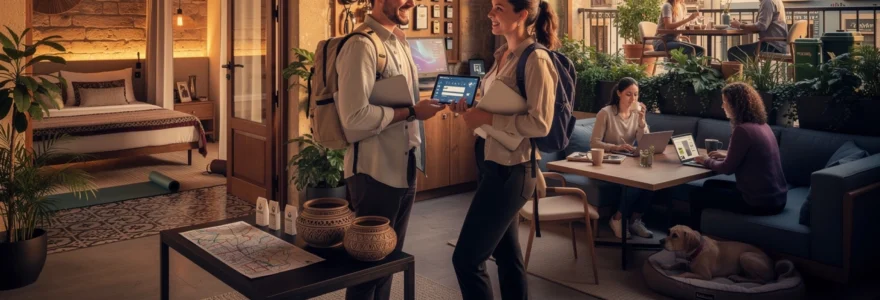
The hospitality landscape is experiencing a profound transformation. While large hotel chains once dominated through brand recognition and standardised service, a new breed of accommodation is capturing the hearts—and wallets—of discerning travelers. Small independent hotels, particularly boutique properties, are no longer the underdog in this evolving market. With the global boutique hotel sector expected to reach $40 billion by 2030, these intimate establishments are rewriting the rules of what constitutes a memorable stay. Modern guests, especially Millennials and Gen Z who will represent 83% of hotel bookings by 2030, increasingly prioritize authentic experiences over cookie-cutter consistency. They seek connection rather than convenience, personalization over predictability, and stories worth sharing instead of sterile luxury. This shift represents more than a passing trend—it signals a fundamental redefinition of value in the travel industry.
Hyper-personalised guest experience through boutique hospitality models
Independent hotels possess an inherent advantage that larger chains simply cannot replicate: the ability to know each guest as an individual rather than a room number. This isn’t merely about remembering a name at check-in; it’s about creating a tapestry of personalized touches that transform a transaction into a relationship. When you stay at a boutique property, the staff capacity to focus on your specific preferences increases exponentially. With typically fewer than 100 rooms—and often considerably less—every team member can genuinely invest in understanding what makes your stay exceptional.
The operational structure of small independent hotels naturally facilitates this personalization. Unlike sprawling resorts where dozens of departments operate in silos, boutique properties function with agile, cross-trained teams who communicate constantly about guest needs and preferences. This organic information flow means your dietary requirements mentioned at breakfast somehow translate into a perfectly curated minibar selection by evening. Research from Deloitte confirms what industry professionals have long observed: personal touches can increase hotel revenue by up to 15%, while 61% of guests willingly pay premium rates for experiences tailored specifically to them.
Bespoke concierge services and local area expertise
The concierge function at independent hotels operates on an entirely different paradigm than at chain properties. Rather than providing generic recommendations from a corporate-approved list, boutique hotel staff typically possess deep, authentic connections to their local community. They know which chef just opened a hidden gem restaurant in the arts district, which gallery is hosting an exclusive preview this weekend, and which hiking trail offers the most spectacular sunrise views. This isn’t information gleaned from tourism brochures—it’s lived knowledge that transforms your itinerary from ordinary to unforgettable.
What distinguishes boutique concierge services is the willingness to curate experiences based on your specific interests rather than popular attractions. If you’re a ceramics enthusiast, they’ll arrange a private studio visit with a local potter. If you’re researching sustainable agriculture, they’ll connect you with an urban farming collective. This level of personalization extends beyond mere service—it represents genuine hospitality rooted in understanding that your interests and passions should shape your travel experience, not the other way around.
Adaptive room configurations and customised amenity packages
Independent hotels enjoy operational flexibility that corporate properties can only dream about. Without rigid brand standards dictating every aspect of room presentation, boutique hoteliers can adapt spaces to suit individual guest requirements. Perhaps you’re working remotely during your stay and need a proper ergonomic setup rather than a decorative desk. Maybe you’re celebrating an anniversary and would appreciate a different room configuration that prioritizes ambiance over standard layouts. Small independent hotels can accommodate these requests without navigating layers of corporate approval.
The amenity packages at boutique properties reflect this same adaptability. Rather than offering identical toiletries and minibars across all rooms, independent hotels can stock specific items based on pre-arrival guest profiling. Vegan travelers find plant-based snacks waiting. Guests who mentioned wellness interests discover yoga mats and meditation guides. Those celebrating special occasions encounter thoughtful surprises that demonstrate genuine attentiveness. These aren’t expensive gestures—they’re intelligent ones, made possible by the operational agility that defines successful independent hospitality.
Direct guest communication channels and Pre-Arrival profiling
The communication dynamic between independent hotels and their guests differs fundamentally from chain hotel interactions. When
guests book direct, they often interact with the actual team who will welcome them, not a distant call center. That opens the door to richer pre-arrival conversations via email, messaging apps, or integrated chat widgets on the hotel website. Instead of sending a generic confirmation, small independent hotels can ask targeted questions about arrival time, dietary needs, mobility considerations, or the purpose of the trip. This information, captured in a modern PMS or CRM, feeds directly into operational planning so the stay feels curated before the guest even steps through the door.
Pre-arrival profiling is no longer reserved for celebrity VIPs. With smart, lightweight tech, boutique properties can automatically flag special occasions, repeat visitors, or high-intent guests and adapt their welcome accordingly. A traveler arriving on a red-eye might receive an early check-in note and a coffee voucher; a family with young children could find age-appropriate amenities already in the room. When communication is direct and two-way, independent hotels turn what used to be a cold confirmation email into the first chapter of a personalised travel experience.
Memory-based service delivery for returning guests
For many modern travelers, true luxury is being remembered. Small independent hotels excel at this memory-based service delivery because their teams interact with a manageable number of guests and build genuine relationships over time. When a guest returns and finds their preferred pillow type already in the room, or the bar stocked with their favourite non-alcoholic beverage, it signals that their previous stay was more than a transaction—it was noted and valued. These seemingly minor details become powerful emotional cues that drive loyalty far more effectively than generic points-based programmes.
Technology quietly amplifies this human touch. A cloud-based PMS can store guest profiles, noting preferences such as room location, dietary restrictions, or even interests like hiking or live jazz. The next time that guest books, staff can access this information in seconds and act on it. Instead of asking, “Have you stayed with us before?” teams can confidently say, “Welcome back, we’ve reserved the corner room you liked last time.” In a competitive market where acquiring new guests is increasingly expensive, independent hotels that master memory-based service turn repeat visits into their most reliable and profitable revenue stream.
Authentic storytelling and heritage-driven brand positioning
Beyond personalised service, what truly differentiates small independent hotels in the eyes of modern travelers is their story. Unlike global chains, which often prioritise uniformity, boutique properties can lean into their history, architecture, and community roots. This authenticity becomes a powerful form of brand positioning, especially for guests who value culture-rich stays over anonymous luxury. When your hotel is housed in a converted factory, a century-old townhouse, or a restored farmhouse, the building itself becomes a character in the guest experience.
Storytelling is not just a marketing tactic; it is a strategic lens that shapes design decisions, programming, and partnerships. Travelers increasingly research where to stay through social media and review platforms, looking for narratives they can relate to and share. An independent hotel that clearly communicates its heritage, values, and connection to place stands out in a sea of generic options. In a world of algorithm-driven recommendations, a compelling story acts like a lighthouse, drawing the right type of guest to your door.
Architectural preservation in converted properties and historic buildings
Many of the most memorable small independent hotels occupy buildings that have lived multiple lives. Former warehouses, schools, monasteries, and mansions are being thoughtfully transformed into hospitality spaces that respect their architectural heritage. Rather than stripping away original features in favour of sterile modernity, successful boutique operators highlight exposed brick, original beams, vintage tilework, and period staircases. These details not only create a distinctive aesthetic but also give guests a tangible connection to the local history.
Preservation does not mean resisting all change. It means making sensitive updates—such as integrating energy-efficient windows, discreet modern lighting, and updated plumbing—while leaving the soul of the structure intact. Guests today often choose these heritage-driven properties precisely because they feel rooted in time and place. When you can sleep in a former carriage house or a repurposed courthouse, your stay becomes part of an ongoing architectural story, rather than just another night in a generic room.
Local artisan partnerships and regionally-sourced interior design
Interior design in small independent hotels has become a powerful vehicle for supporting local artisans and showcasing regional culture. Instead of importing mass-produced artwork and furniture from a central supplier, boutique hoteliers increasingly collaborate with nearby makers—ceramicists, carpenters, textile designers, and painters—to furnish their spaces. The result is an environment that feels curated rather than catalogued, where every object has a story and a maker behind it.
This approach resonates strongly with modern travelers who want their stay to reflect the destination, not override it. Imagine sipping coffee from mugs thrown by a local potter, relaxing on a sofa upholstered in regionally woven fabric, or admiring a gallery wall featuring neighbourhood photographers. These are more than design choices; they are micro-experiences that deepen the guest’s sense of immersion. For independent hotels, partnering with artisans is like weaving a living tapestry of the community directly into the property’s DNA.
Narrative-led marketing through owner backstories and property history
In an era where travelers scroll past hundreds of options, narrative-led marketing gives independent hotels a crucial edge. Guests are not just choosing a room; they are choosing whose story they want to step into. Hotels that share the founder’s journey—why they revived an abandoned building, moved back to their hometown, or left a corporate job to create a more human-centric hospitality model—create immediate emotional resonance. These backstories transform the property from a commodity into a cause guests are proud to support.
Effective narrative-led marketing is consistent across channels. The same themes should appear on the website, in-room compendiums, social media captions, and even in the way staff describe the property during check-in. When guests can trace a clear line from the building’s history to the current concept—through anecdotes, old photos, or curated storytelling moments—they feel like insiders rather than outsiders. For independent hoteliers, your story is not a nice-to-have; it is your most defendable competitive advantage.
Instagram-worthy design aesthetics and user-generated content strategies
Visual storytelling has never been more important. Modern travelers, especially younger demographics, often discover small independent hotels through photos and short videos long before they read a full description. Thoughtful, “Instagram-worthy” design does not necessarily mean opulence; it means creating visually cohesive spaces with interesting textures, colours, and focal points that photograph well. A striking entrance mural, a cosy reading nook, or a rooftop view framed just so can all become organic marketing assets.
Smart boutique hotels take this a step further by actively encouraging user-generated content. Subtle hashtags on welcome cards, photo-friendly moments like latte art or locally sourced welcome boxes, and occasional social media contests can turn guests into enthusiastic brand advocates. When a traveler shares their stay online, they are effectively endorsing your property to their entire network. For independent hotels with limited advertising budgets, this kind of peer-to-peer storytelling is like word-of-mouth on steroids—authentic, scalable, and incredibly persuasive.
Direct booking revenue optimisation and disintermediation strategies
While online travel agencies (OTAs) still play a major role in discovery, commission fees can quickly erode profit margins for small properties. That is why many independent hotels are aggressively focusing on direct booking strategies to reclaim both revenue and guest relationships. By optimising their own websites, offering clear value for booking direct, and leveraging modern booking engines, boutique hotels can reduce their dependency on third-party platforms. This shift is not about eliminating OTAs altogether but about using them strategically while nurturing a robust direct channel.
Direct bookings also provide richer data, enabling better personalisation and more effective marketing over time. When you control the entire guest journey—from the search stage to post-stay feedback—you can tailor communications, upsell relevant experiences, and encourage repeat visits without paying recurring commissions. For independent hoteliers, mastering disintermediation is like learning to sail with the wind instead of constantly paddling against it.
Independent booking engine integration and commission-free reservations
A high-performing, user-friendly booking engine is the cornerstone of any direct booking strategy. Many small independent hotels still rely on clunky forms or outdated interfaces that create friction and drive potential guests back to OTAs. By integrating a modern, mobile-optimised booking engine into their website, boutique properties can offer real-time availability, secure payments, and package options that rival (or exceed) third-party platforms. The key is to make the direct booking experience both seamless and clearly advantageous.
Highlighting commission-free perks—such as late checkout, complimentary welcome drinks, or priority room allocation—can nudge travelers to reserve directly. Transparent pricing and clear cancellation policies further build trust, especially among cautious bookers. When guests feel they are getting the best deal and the smoothest process on your website, you transform your direct channel from an afterthought into your primary revenue engine.
Dynamic pricing algorithms for small-scale properties
Dynamic pricing is no longer the exclusive territory of large chains with dedicated revenue management teams. Cloud-based tools now allow small independent hotels to adjust rates automatically based on demand patterns, local events, competitor pricing, and even weather conditions. This data-driven approach helps boutique properties capture higher average daily rates during peak periods while remaining competitive in softer demand windows. It is the equivalent of having a virtual revenue manager who never sleeps.
For operators who may feel intimidated by complex algorithms, many systems offer intuitive dashboards and rule-based controls. You can set minimum and maximum price thresholds, define lead-time strategies, and create targeted offers for specific dates or segments. The result is a smarter, more responsive pricing strategy tailored to the realities of a small inventory. Instead of relying on gut feelings or fixed seasonal rates, independent hotels can use dynamic pricing to protect profitability without sacrificing occupancy.
Email marketing automation and guest relationship management systems
Email remains one of the most effective—and underutilised—channels for independent hotels. With a well-maintained database and simple automation tools, boutique properties can nurture relationships long after check-out. Automated pre-arrival emails can introduce local recommendations and upsell experiences; in-stay messages can encourage feedback or promote on-site amenities; and post-stay sequences can invite reviews, referrals, or loyalty offers. Each of these touchpoints reinforces your brand story and keeps your property top of mind.
A guest relationship management (GRM) or customer relationship management (CRM) system ties these efforts together. By centralising guest data—stay history, preferences, communication records—you can segment your audience and tailor campaigns for different micro-groups, such as couples, digital nomads, or wellness travelers. Rather than blasting the same generic newsletter to everyone, you send relevant, timely messages that feel like a continuation of the personalised hospitality you provide on property. For independent hotels, this is where marketing and guest experience converge.
Sustainable tourism practices and eco-conscious operations
Modern travelers are increasingly scrutinising the environmental impact of their trips, and accommodation choices play a significant role in that assessment. Surveys consistently show that a majority of guests, especially Gen Z and Millennials, are willing to pay more for sustainable options if they trust that the practices are genuine. Small independent hotels are uniquely positioned to lead in sustainable tourism because decision-making is local and agile. They can implement eco-conscious policies without navigating corporate red tape, and they can communicate those efforts transparently to guests.
Sustainability is no longer a niche differentiator; it is rapidly becoming a baseline expectation. From sourcing to energy use, waste management to community engagement, every operational choice sends a message about your values. Independent hotels that commit to measurable, visible eco-initiatives not only reduce their footprint but also strengthen their appeal to conscious travelers looking for greener stays without sacrificing comfort or character.
Carbon footprint reduction through local supplier networks
One of the most effective ways for small hotels to shrink their carbon footprint is by shortening their supply chains. Partnering with local farmers, roasters, breweries, and artisans dramatically reduces transportation emissions while injecting revenue into the surrounding community. Guests notice the difference when they are served bread from the bakery down the street, coffee roasted within the same city, or toiletries made by a nearby natural skincare brand. Each local partnership becomes both an environmental choice and a storytelling opportunity.
Building a local supplier network does require effort—vetting partners, aligning on quality standards, and sometimes paying slightly higher unit costs. Yet the payoff can be significant. Not only do you reduce your dependency on volatile global supply chains, but you also create a more resilient, place-based ecosystem around your property. For eco-conscious guests, knowing that their stay supports a web of local businesses can be as compelling as any amenity on your list.
Zero-waste kitchen operations and farm-to-table dining programmes
Food and beverage operations are often a major source of waste in hospitality, but they are also a powerful arena for innovation. Small independent hotels can experiment with zero-waste principles more easily than large chains bound by rigid procurement systems. This might include nose-to-tail or root-to-stem cooking, creative use of surplus ingredients in daily specials, or partnerships with composting services and local farms. By tracking waste and setting clear reduction targets, boutique properties can turn their kitchens into laboratories for sustainable dining.
Farm-to-table programmes add another layer of impact. Sourcing seasonal produce directly from nearby farms or urban gardens not only reduces transport emissions but also results in fresher, more flavourful dishes. Menus can highlight the origin of ingredients, giving credit to the growers and educating guests about regional agriculture. For many travelers, enjoying a breakfast made with eggs from a local farm or herbs picked from the hotel’s own garden becomes a memorable, values-aligned experience that differentiates your property from conventional competitors.
Renewable energy implementation in small-scale accommodation
Energy use is a significant contributor to a hotel’s environmental footprint, but small properties often have more flexibility to adopt renewable solutions. Rooftop solar panels, for example, can cover a meaningful portion of electricity needs for a boutique hotel, especially when combined with energy-efficient lighting and smart climate control. Some independent properties go further by using air-source or ground-source heat pumps, or by purchasing certified green energy from their utility providers when on-site generation is not feasible.
Guests are increasingly curious about these efforts and appreciate transparent communication. Displaying real-time energy savings in public areas or sharing annual sustainability reports can turn your renewable energy projects into a point of pride. While the initial investment may seem daunting, incentives, tax credits, and long-term cost savings often make the business case compelling. In many ways, adopting renewables is like locking in a lower energy “room rate” for your property’s future.
Green certification programmes: green key and EarthCheck standards
For independent hotels looking to validate and communicate their sustainability credentials, third-party certifications provide valuable structure and credibility. Programmes like Green Key and EarthCheck offer clear frameworks for assessing performance across areas such as energy, water, waste, and community engagement. Achieving certification requires documentation, audits, and ongoing improvement, but it also signals to guests and corporate buyers that your eco-claims are backed by rigorous standards.
These certifications can influence booking decisions, particularly among environmentally minded travelers and companies with responsible travel policies. Featuring your badges on your website, booking engine, and in-room materials helps guests quickly identify your property as a sustainable option. More importantly, the process of working towards certification often uncovers new opportunities for efficiency and innovation. For small hotels, it is like having a roadmap for continuous environmental improvement built into your business strategy.
Niche market positioning and micro-segmentation tactics
One of the greatest strengths of small independent hotels is their ability to specialise. Instead of trying to appeal to everyone, they can design experiences around clearly defined niche markets and micro-segments. This focus helps properties stand out in crowded search results and creates stronger emotional connections with guests who feel “this place was made for people like me.” In a landscape where travelers are overwhelmed with choice, a tightly defined value proposition often wins over a vague promise of being “for all.”
Micro-segmentation also improves marketing efficiency. When you know exactly who you are speaking to—solo digital nomads, pet-loving families, wellness seekers—you can create targeted campaigns, relevant packages, and tailored on-property programming. Rather than diluting your message to fit every possible traveler type, you concentrate on serving a few segments exceptionally well. The result is often higher guest satisfaction, stronger word-of-mouth, and more repeat bookings.
Solo traveller-focused amenities and co-working spaces
The rise of remote work and “work from anywhere” culture has fuelled a surge in solo travel, from digital nomads to professionals taking blended work-leisure trips. Small independent hotels can cater directly to this segment with thoughtful amenities: reliable high-speed Wi-Fi, ergonomic workstations in rooms, and dedicated co-working or lounge areas designed for focus and collaboration. These spaces do not need to mimic corporate offices; they can blend comfort and productivity, with plenty of natural light, power outlets, and refreshments.
Solo travelers also appreciate programming that makes it easy to connect with others when desired—such as communal dinners, rooftop yoga, or small-group tours. Safety and clarity matter too: clear wayfinding, 24/7 support, and transparent local guidance help solo guests feel secure and empowered. By designing with these needs in mind, independent hotels can become go-to bases for solo travelers who value both independence and belonging.
Pet-friendly accommodation policies and animal welfare partnerships
For many modern travelers, pets are part of the family, and leaving them behind is no longer the default. Independent hotels that embrace pet-friendly policies tap into a growing market of guests seeking stays where their animals are genuinely welcome, not just tolerated. This might include designated pet-friendly rooms with durable flooring, easy access to outdoor areas, and thoughtful amenities such as beds, bowls, and welcome treats. Clear communication about rules—like leash requirements or noise expectations—keeps the experience enjoyable for all guests.
Some boutique properties go further by partnering with local animal shelters, veterinarians, or pet-sitting services. They might donate a portion of pet fees to rescue organisations or host occasional adoption events on-site. These initiatives not only reinforce the hotel’s values but also create meaningful talking points that guests are eager to share. In this way, pet-friendly hospitality becomes both a niche positioning strategy and a platform for positive community impact.
Wellness retreat offerings and holistic health programmes
Wellness travel has evolved far beyond the traditional spa break. Today’s health-conscious guests seek holistic experiences that address physical, mental, and emotional well-being. Small independent hotels are well suited to offer intimate wellness retreats, from weekend yoga immersions to digital detox packages or mindfulness-focused stays. By collaborating with local practitioners—yoga teachers, nutritionists, breathwork facilitators, or outdoor guides—boutique properties can build curated programmes tailored to specific audiences.
On a day-to-day level, simple amenities can make a big difference: in-room yoga mats, access to nature trails, healthy menu options, and quiet zones for meditation or reflection. Transparency about ingredients, sleep-friendly room design, and options for alcohol-free socialising all contribute to a more holistic wellness experience. For travelers seeking more than a sun lounger and a cocktail, these thoughtful touches signal that your property understands wellness as a lifestyle, not just an add-on.
Agile operational flexibility and crisis response capabilities
If the past few years have proven anything, it is that agility is not a luxury in hospitality—it is a necessity. Small independent hotels, with their lean structures and short decision-making lines, are often better equipped to respond quickly to crises than their larger counterparts. Whether facing a global health emergency, sudden border changes, or local disruptions, boutique properties can pivot policies, reconfigure spaces, and update messaging in days rather than months. This responsiveness builds trust with guests who are navigating uncertainty and looking for clear, empathetic communication.
Operational flexibility extends beyond crisis scenarios. It is also about experimenting with new offerings, testing alternative revenue streams, and adjusting to shifting guest expectations. Because independent hoteliers are typically closer to day-to-day operations, they can spot emerging patterns early—such as increased demand for long stays, private workspaces, or contactless services—and adapt accordingly. In a volatile market, this capacity for rapid iteration can make the difference between surviving and thriving.
Rapid policy adaptation during health and safety emergencies
During health-related crises, travelers scrutinise hygiene and safety standards more closely than ever. Small independent hotels can respond by updating cleaning protocols, rethinking room turnaround times, and reconfiguring public spaces to allow for physical distancing when necessary. Crucially, they can communicate these changes quickly through their websites, booking confirmations, and on-property signage, reducing anxiety for incoming guests. Because there are fewer layers of approval, policies can evolve in real time as guidelines shift.
Independent properties also have the advantage of scale. With fewer rooms and smaller common areas, they can limit capacity, manage traffic flows, and personalise safety measures more effectively. For example, they might offer staggered breakfast times, private use of wellness facilities by appointment, or in-room check-in options. By demonstrating both rigour and flexibility, boutique hotels reassure guests that their well-being is taken seriously without turning the stay into a clinical experience.
Flexible cancellation terms and guest-centric rebooking options
Uncertainty has made flexible cancellation and rebooking policies a key decision factor for many travelers. Independent hotels that adapt their terms to be more guest-centric often see increased conversion and goodwill, even if it means taking on some short-term risk. Options such as date-change credits, partial refunds, or the ability to transfer bookings to friends or family provide reassurance to guests wary of losing their investment if plans change unexpectedly.
Clear, empathetic communication around these policies is essential. When guests feel the hotel is on their side rather than hiding behind fine print, they are more likely to rebook in the future and recommend the property to others. Think of flexible terms as a trust-building tool rather than a mere contractual clause. For small independent hotels, this trust can translate into long-term loyalty that far outweighs the occasional last-minute cancellation.
Small-team efficiency and cross-functional staff training
Behind the scenes, the operational engine of a small independent hotel often runs on a compact, highly versatile team. Staff members commonly wear multiple hats—front desk associates may also assist with social media, while housekeeping supervisors might support guest relations during peak times. When underpinned by good training and clear processes, this cross-functional model creates impressive efficiency and a more cohesive guest experience. Guests sense the continuity when the same friendly faces assist them throughout their stay.
Cross-training also enhances resilience. In times of staff shortages, sudden demand spikes, or unexpected challenges, team members can step into different roles with confidence. Investing in broad skill development, from basic revenue management literacy to digital communication skills, pays dividends in agility and service quality. For independent hoteliers, a small but well-trained team functions like a finely tuned orchestra—each person capable of playing more than one instrument, yet working together to deliver a harmonious stay for every guest.